
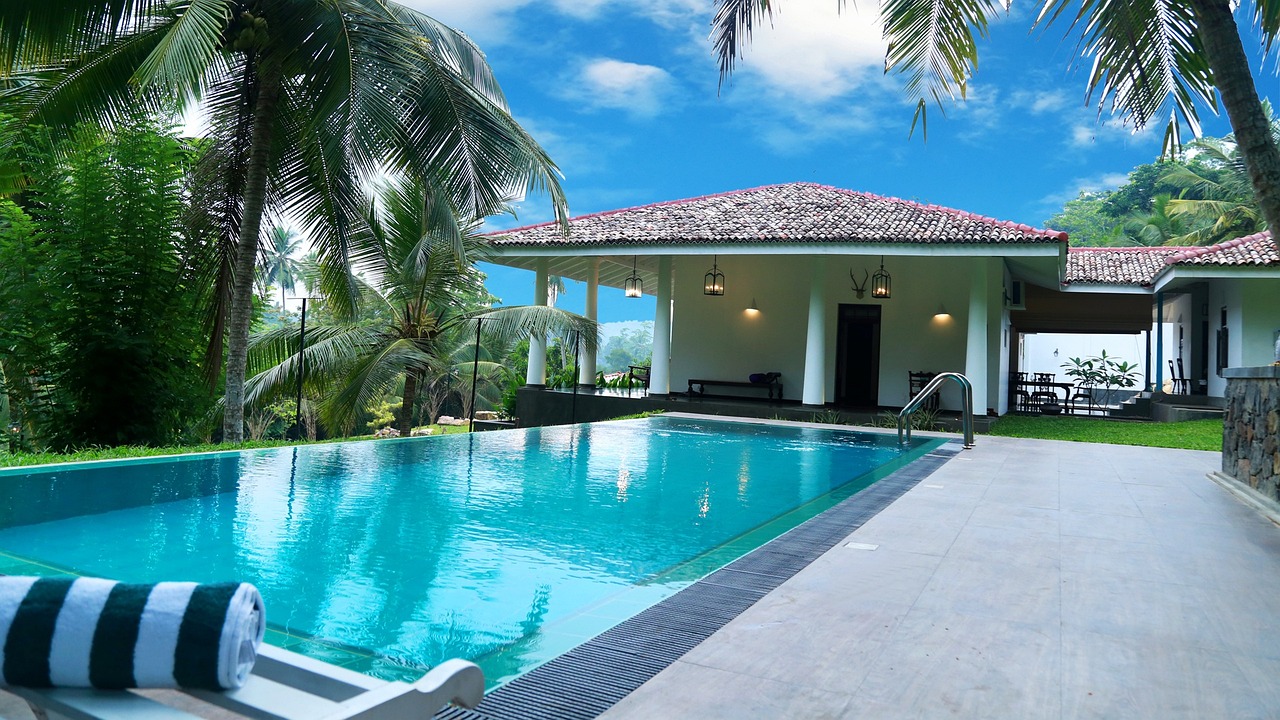
Luxury Travertine Coping Installation for a Resort-Style Pool Edge
Cool Underfoot, Naturally Elegant, and Built to Protect Your Pool for Years
Homeowners considering travertine coping are usually looking for a pool edge that feels luxurious, stays comfortable in the sun, and holds up beautifully over time. Travertine is a natural stone that offers a unique combination of style and performance—its soft, organic color variations create a high-end look, while its naturally textured surface provides traction and comfort around the water’s edge. Unlike many manufactured materials, each travertine piece is slightly different, giving your pool a one-of-a-kind finish that looks like it belongs in a boutique resort. Beyond appearance, travertine coping is also engineered by nature to handle changing temperatures, frequent foot traffic, and constant contact with water. When installed correctly, it helps protect the top of the pool shell, provides a smooth and comfortable seating edge, and creates a visually seamless transition between the pool and the surrounding deck or patio. At Beachfront Pool Service, we help you take advantage of all the benefits travertine has to offer by combining quality stone selection with meticulous installation techniques.
Why Travertine Coping Is a Smart Premium Choice
Travertine coping is popular among homeowners who want their pool area to feel like an extension of an upscale outdoor living room rather than a basic backyard project. One of its biggest advantages is temperature: compared to many other hardscape materials, travertine tends to stay noticeably cooler under direct sunlight, which is especially appreciated during peak swimming season when everyone is walking around barefoot. The stone’s natural pores help diffuse heat and improve slip resistance, providing a comfortable, grippy surface even when wet. Travertine is also incredibly versatile from a design standpoint—warm creams, soft beiges, golds, and silver-toned variations allow you to match virtually any architectural style, from Mediterranean and coastal to contemporary and minimalist. Because the stone is dense yet workable, it can be fabricated into straight runs, curves, and specialty shapes to fit custom pool designs. When used as coping, it not only frames the water but also ties together the deck, landscaping, and home exterior into one cohesive outdoor environment that looks carefully planned and professionally executed.

What Travertine Coping Installation Typically Includes
A professional travertine coping installation starts long before the first stone is actually set in place. The process begins with a thorough evaluation of your existing pool edge, deck layout, and surrounding grade to ensure the new coping will perform correctly and shed water away from the pool structure. If old coping is in place, it is carefully removed so the bond beam can be cleaned, inspected, and prepared. We then review travertine options with you—selecting thickness, edge style (such as bullnose, eased, or chiseled), and color range to match your design goals. Once the stone arrives, each piece is dry-laid and arranged to balance color variations, vein patterns, and overall flow around the pool perimeter. During installation, we use high-quality setting materials and layout techniques to maintain consistent joint spacing and precise alignment. The end result is coping that not only looks beautiful on day one but is properly supported and bonded for long-term structural stability.
How Beachfront Pool Service Installs Travertine Coping
At Beachfront Pool Service, we take a detail-oriented approach to every travertine coping project because small installation decisions make a big difference over time. Our crew begins by ensuring the bond beam is structurally sound, level, and ready to accept new stone. We then custom-fit each piece of travertine, trimming as needed to follow curves, steps, and custom features like spas, raised walls, or spillways. Care is taken to align the inside edge of the coping with the pool tile line so the finished waterline looks clean and intentional. We also pay attention to overhang and slope—two details that influence how comfortable the edge feels to sit on and how efficiently water drains away from the pool. Once everything is set, we address joints using appropriate grout or flexible materials determined by the design and stone type, then complete the installation with cleaning and, if recommended, an initial sealing. The result is an edge treatment that feels solid underfoot, looks professionally crafted, and supports the long-term health of your pool structure.
Understanding Timeline and Expectations
The timeline for travertine coping installation can vary depending on the size of your pool, whether old materials need to be removed, and whether additional work—such as tile replacement or deck resurfacing—is being completed at the same time. In many cases, the coping portion of a remodel takes several working days from start to finish, with additional time needed if complex shapes, raised features, or custom detailing are involved. Weather conditions and curing times for setting materials also play a role in determining when the pool area can be fully reopened for regular use. Throughout the project, we communicate what’s happening at each stage so you know when demolition will occur, when stone will be set, and when clean-up and final detailing will be completed. By the end of the process, you’ll see a dramatic visual difference—the pool will have a crisp, finished frame of travertine that immediately makes the space look more refined, put-together, and high-end.
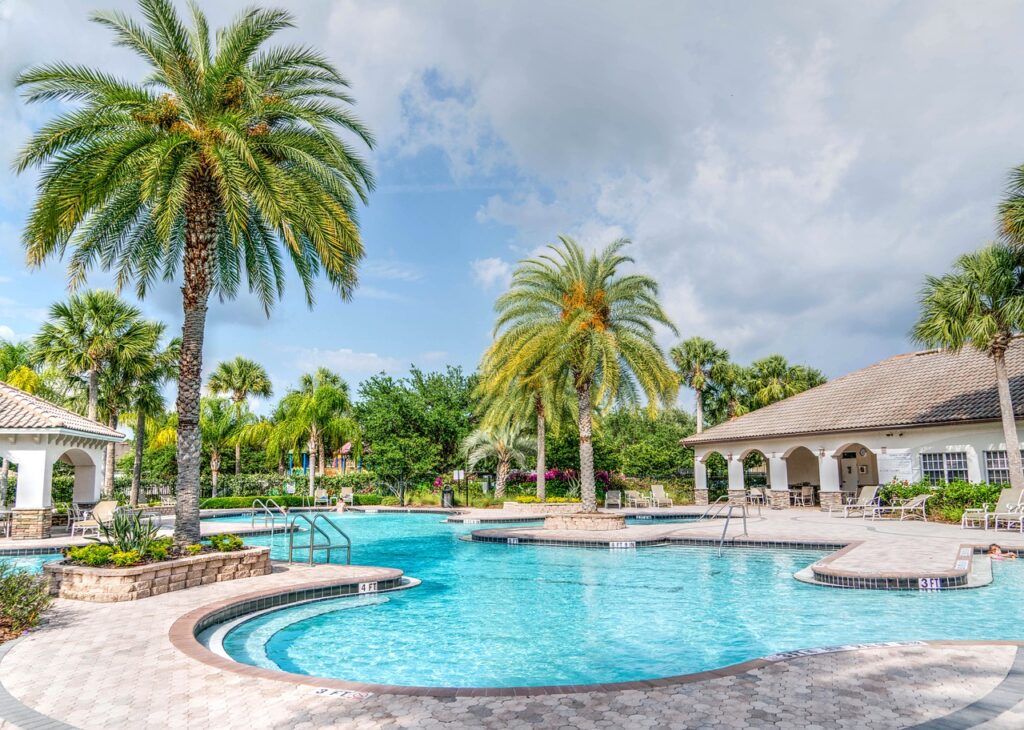
How to Maintain Travertine Coping
Travertine coping is relatively easy to care for when you follow a few simple maintenance routines. Because it is a natural stone, it responds well to gentle cleaning methods—regular sweeping and occasional rinsing help keep dirt, leaves, and pool chemicals from lingering on the surface. In many cases, a pH-neutral stone cleaner is ideal for deeper cleaning without etching or dulling the finish. Depending on the specific travertine and exposure level, periodic sealing is recommended to help protect against staining, fading, and mineral buildup along the waterline. Sealing also makes routine cleaning easier and helps maintain the stone’s natural color variations over time. It’s important to monitor for any shifting, cracked pieces, or grout deterioration so minor issues can be addressed before they become larger problems. With proper care, travertine coping can last for decades, maintaining its elegant appearance and comfortable feel underfoot while continuing to protect the pool shell from moisture and edge damage.
Call Today for Travertine Coping Installation
If you’re ready to give your pool a high-end edge upgrade, now is the perfect time to explore travertine coping as part of your remodel or new build. Our team can walk you through design options, show you examples of color ranges and edge profiles, and explain how travertine can work with your existing deck or an upcoming hardscape project. Whether you’re replacing old coping that has seen better days or building a completely new pool, travertine offers an ideal balance of luxury, comfort, and performance. Call (949) 287-3343 or contact us through our website to schedule a consultation and estimate. We’ll help you plan a project that fits your style, budget, and long-term goals so your backyard feels more like a personal retreat than a basic pool.
Resort-style elegance. Naturally cool comfort. Travertine coping that transforms your pool’s entire look.
Frequently Asked Questions About Travertine Coping
What is travertine coping?
Travertine coping is natural stone edging installed around the top perimeter of a pool for protection, comfort, and style.
Why choose travertine over other coping materials?
Travertine stays relatively cool, offers natural slip resistance, and provides a high-end, timeless appearance.
Does travertine coping stay cool in the sun?
Yes, compared to many materials, travertine tends to feel cooler under direct sunlight, especially in warm climates.
Is travertine coping slippery?
Most travertine has a naturally textured surface that improves grip, even when wet.
Does travertine need to be sealed?
Sealing is strongly recommended to help prevent staining, fading, and mineral buildup over time.
How long does travertine coping last?
With proper installation and maintenance, travertine coping can last for decades.
Can travertine coping be used with saltwater pools?
Yes, travertine can be used with saltwater systems when properly sealed and maintained.
Is travertine coping more expensive than concrete?
Travertine is a premium material and typically costs more than basic concrete, but it offers greater visual impact and longevity.
Can damaged travertine pieces be replaced?
Yes, individual stones can usually be removed and replaced if they become chipped, cracked, or loose.
Does travertine coping increase property value?
Upgrading to travertine often boosts curb appeal and perceived value due to its upscale look and durability.
How do I clean travertine coping?
Use gentle sweeping, rinsing, and pH-neutral stone cleaners instead of harsh chemicals or acidic products.
Can travertine coping match my existing deck?
Travertine comes in various tones and finishes, making it easy to coordinate with concrete, pavers, or tile.
Will chlorine harm travertine?
Properly sealed travertine stands up well to normal pool chemistry, especially when the water is balanced.
Can travertine coping be used on curved pools?
Yes, stones can be cut and shaped to follow curves, custom steps, and unique pool designs.
Is travertine coping high maintenance?
No, it mainly requires occasional cleaning and periodic sealing to keep it looking its best.
Can travertine be too porous for pool use?
Quality pool-grade travertine, combined with sealing, performs very well in wet outdoor environments.
Does travertine fade over time?
Sealing and proper cleaning help maintain the stone’s natural color and minimize fading.
What edge profiles are available for travertine coping?
Common options include bullnose, eased, square, and chiseled edges, depending on the style you prefer.
Can travertine coping be installed on an older pool?
Yes, travertine is an excellent choice for remodels where old coping is being removed and upgraded.
How do I schedule a travertine coping consultation?
Call (949) 287-3343 or visit our contact page to request an appointment and estimate.