
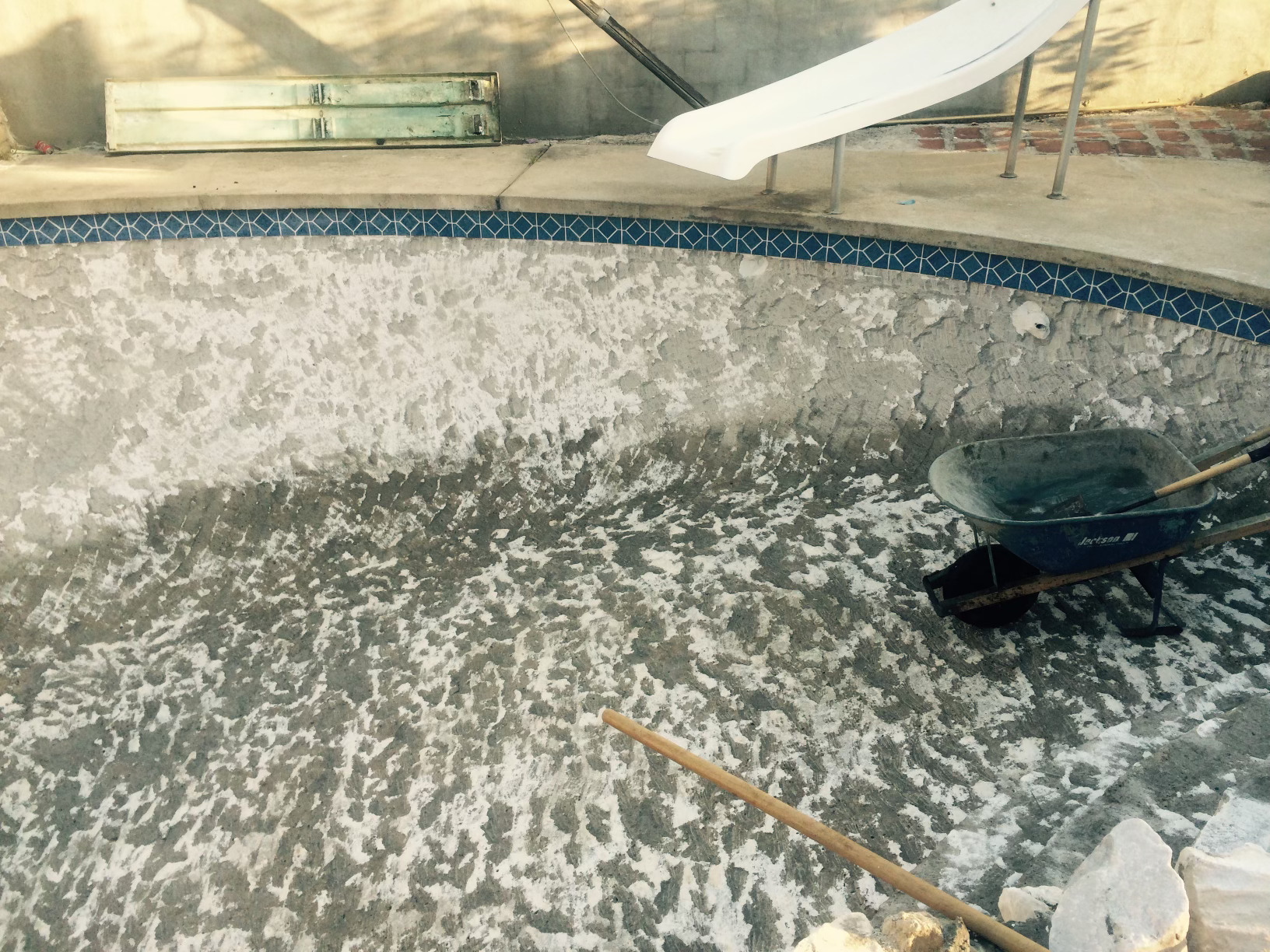
Pool Plaster Resurfacing for a Worn or Aging Pool Interior
Review the existing surface, compare finish choices, and plan the work
A pool interior can change gradually. It may become rough underfoot, develop persistent discoloration, or look worn even when the water is clean. When the surface no longer meets your expectations, Pool Plaster Resurfacing can be a way to renew the pool interior and choose a finish that better suits the property and how you use the pool.
Beachfront Pool Service can discuss pool plaster resurfacing with homeowners in Orange County. The right scope depends on the pool’s current condition, the finish you prefer, and any preparation or repair needs identified during an assessment. A useful project begins with those details, rather than a generic package or an assumed timeline.
If you have noticed roughness, staining, chips, or cracks, make a note of where they appear and whether they have changed over time. Photos and previous repair records may also help explain the pool’s history. Call (949) 287-3343 or contact Beachfront Pool Service to discuss your pool and request an estimate.
What Pool Plaster Resurfacing Addresses
Pool plaster resurfacing involves preparing the pool interior and applying a new finish suited to the project. The process is intended to renew the visible surface, but the final scope depends on what an inspection finds. Existing plaster, prior repairs, cracks, stains, and other visible conditions should be reviewed before work is defined.
It is helpful to distinguish surface wear from issues that may need separate evaluation. Staining can have several causes, and cracks can relate to different conditions. A surface assessment helps identify what is visible, what additional review may be appropriate, and whether plastering alone is a suitable approach for the pool.
Signs to Have Evaluated
- Rough texture: The interior feels uncomfortable during ordinary pool use.
- Persistent discoloration: Stains or faded areas remain noticeable after routine cleaning.
- Chipping or visible wear: Sections of the finish appear damaged or inconsistent.
- Cracks: Lines or separations appear in the surface and should be assessed before the scope is set.
- A dated appearance: The interior no longer fits the look you want for the pool area.
These observations can help guide an inspection, but they are not a diagnosis. A professional should look at the pool and explain whether the condition is limited to the finish or whether other issues may affect the work. Ask which areas are included in the proposed scope and how additional findings would be handled.

Pool Plaster Resurfacing Starts With a Surface Review
Identify visible wear before selecting a finish or schedule
Choosing a Finish for Pool Plaster Resurfacing
Finish selection is one of the most visible decisions in the project. Traditional plaster and other finish systems can differ in color, texture, product requirements, and maintenance instructions. The options suitable for a particular pool depend on the structure, existing conditions, and product specifications. Ask for clear comparisons so you can make the selection with realistic expectations.
Consider Color and Water Appearance
The color of a pool finish can influence how the water appears, but a sample or product photo cannot perfectly predict the result in every pool. Pool depth, natural light, surrounding tile, coping, and deck colors all contribute to the overall look. If samples are available, view them outdoors and compare them with the materials that will remain around the pool.
Rather than selecting only by trend, think about the atmosphere you want the pool area to have and how the finish will fit the rest of the property. A neutral surface may work well with existing materials, while a darker or more expressive choice can create a different visual effect. Confirm the selected product and color in writing before materials are ordered.
Think About Texture and Care
Texture affects how the surface feels and may influence routine cleaning and care. Ask how the selected finish is expected to feel underfoot and what the manufacturer recommends for startup and ongoing maintenance. Compare product information, not just appearance, so you understand the care considerations associated with the finish you choose.
If a product is described as more durable or easier to maintain, ask what that means for your pool and what conditions the claim assumes. Finish performance can depend on installation, water chemistry, and maintenance. A project discussion should explain those factors without promising a fixed lifespan or outcome.
Coordinate With Existing Tile and Coping
Tile and coping may remain in place during pool plaster resurfacing, or you may choose to discuss related work if it fits the project. If these materials are staying, consider their colors and condition when reviewing finish samples. If they are also being changed, coordinate the choices before the work begins so the transitions around the pool look intentional.
Ask which materials and areas are included in the estimate. Confirm whether tile or coping work is part of the scope or would require a separate estimate. Clear boundaries help avoid misunderstanding once the pool is drained and the work area is prepared.
How Pool Plaster Resurfacing Is Planned
Plastering involves several stages, and the sequence should be explained before work starts. The details vary with pool size, existing surface, selected finish, and any preparation or repairs included in the scope. The following outline can help you understand what to ask during the estimate process.
1. Inspect the Pool Interior
The initial review considers the visible surface, existing repairs, and areas that may need closer attention. Share the issues you have noticed and any relevant history. Ask what can be confirmed during the inspection and whether any conditions remain uncertain until preparation begins.
2. Define Preparation and Repair Work
The estimate should explain what preparation is expected before the new finish is applied. Ask how existing material will be handled, what repairs are included, and how unforeseen conditions will be evaluated. If additional work is recommended, request a written explanation and approve any changes to cost or schedule before work proceeds.
3. Confirm the Finish and Project Details
Before scheduling, verify the product, color, texture, and areas included. Ask about site access, protection for nearby surfaces, debris handling, and expected pool downtime. Confirm what instructions will be provided for filling, startup, and care after the finish is installed.
4. Follow Startup and Maintenance Guidance
New finishes may require specific startup procedures. Follow the project and product instructions for filling, circulation, brushing, and water care. Ask for written guidance and keep it available as the pool returns to regular operation. If anything is unclear, confirm the instructions with the responsible professional before changing the routine.
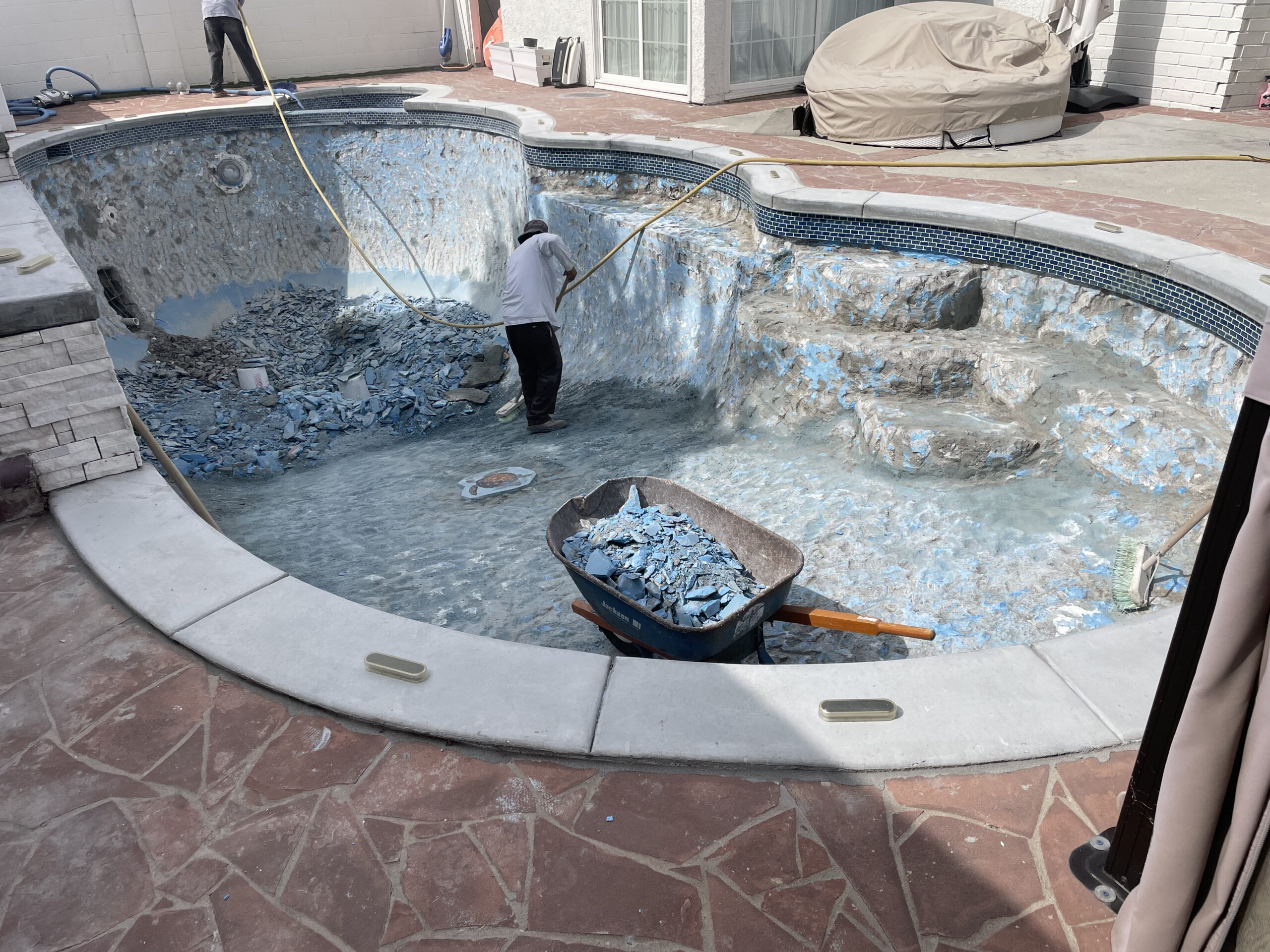
Plan Pool Plaster Resurfacing Step by Step
Confirm preparation, finish selection, downtime, and care instructions
Project Scope, Cost, and Timing
The cost of pool plaster resurfacing depends on factors such as pool size, surface condition, selected finish, preparation, access, and related repairs. A project estimate should be based on the actual pool and clearly describe the work proposed. Generic price ranges often leave out details that can change the scope or total cost.
Ask whether the estimate includes draining, removal or preparation of existing material, repairs, finish application, cleanup, and startup guidance. Clarify what is excluded and how concealed conditions would be documented. Find out whether written approval is required before additional work or charges proceed.
When comparing estimates, review the proposed product and included work as well as the total price. One proposal may include preparation or repairs that another excludes. Ask questions until the differences are clear, and compare equivalent scopes whenever possible.
Timing depends on the pool, preparation, finish, weather, access, and product requirements. Ask for a schedule based on your project and confirm how long the pool is expected to be unavailable. Do not rely on a universal number of days; the contractor should explain the expected sequence and when the pool may be filled and used again.
For pricing questions, review the pricing information and contact Beachfront Pool Service to discuss how your requested scope would be estimated.
Preparing the Property for Pool Plaster Resurfacing
Before work begins, discuss access to the backyard, staging areas, deliveries, and protection for adjacent surfaces. Move furniture and personal belongings away from the work area. If landscaping or other outdoor work is planned, coordinate the schedule so contractors do not interfere with each other or damage newly completed areas.
The pool will be unavailable during the plastering work and the required startup period. Ask how this will affect your household and what conditions must be met before normal use resumes. Keep children and pets away from active work areas and share any access restrictions before the scheduled start.
Some projects may require additional review if the crew finds conditions that were not visible during the initial assessment. Ask how these findings will be communicated and what approval is needed before the work changes. This helps you stay informed and make decisions without surprises.
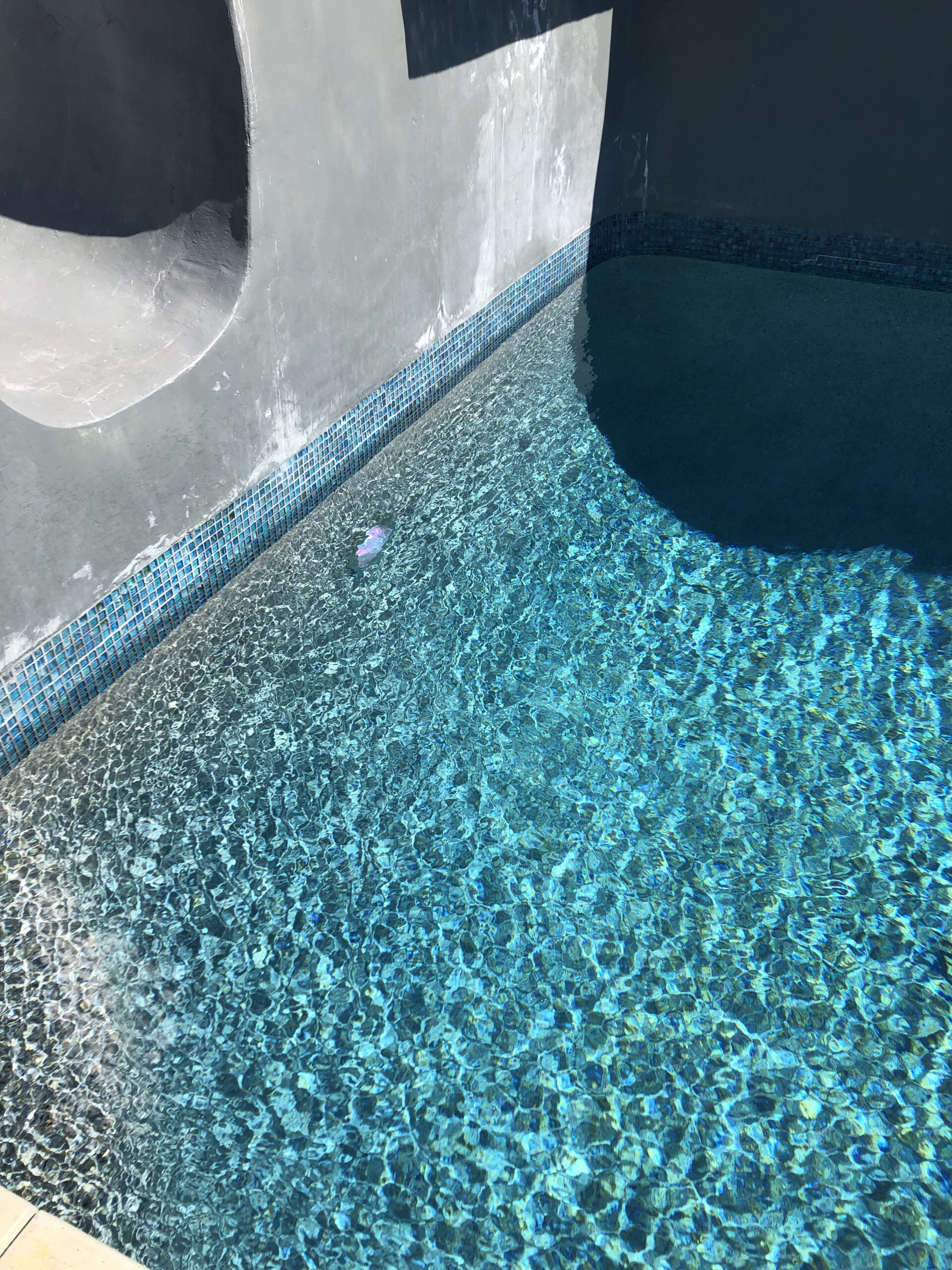
Prepare for Pool Plaster Resurfacing at Your Home
Review site access, downtime, and project responsibilities
Maintaining the Pool After Plaster Resurfacing
Care after installation is important, especially during the startup period. The exact steps depend on the product and project instructions. Follow the guidance provided for water fill, circulation, brushing, and chemistry. Do not assume that the routine used before the work will apply unchanged to a new finish.
Ask which water-care practices are recommended and what products should be avoided during startup. Keep a record of the finish product and any care information so you can refer to it later. If the water becomes cloudy, the finish appears uneven, or you notice another concern during startup, contact the project professional for direction instead of making changes based on guesswork.
After the initial startup, routine maintenance should follow product guidance and the pool’s operating needs. Maintain appropriate water balance, remove debris, and follow the care instructions for the chosen finish. A clear maintenance routine can help you monitor the pool and identify changes early.
Questions to Ask Before Approving Pool Plaster Resurfacing
- What conditions did the inspection identify?
- Which preparation and repairs are included in the estimate?
- What finish product, color, and texture are proposed?
- What areas or related work are excluded?
- How will additional conditions and scope changes be handled?
- What is the expected sequence and pool downtime?
- What startup and maintenance instructions will I receive?
- When can the pool be filled and returned to normal use?
Clear answers make it easier to compare options and understand the project. Keep the approved scope, product selection, estimate, and any changes in writing. If you are unsure about a recommendation, ask what condition it addresses and whether other approaches are available.

Choose Pool Plaster Resurfacing With Clear Expectations
Discuss the proposed finish, work scope, and estimate before scheduling
Before confirming the project, review the agreed finish and scope one more time. Make sure the estimate identifies preparation, included repairs, material selection, cleanup, and the process for approving any changes. Having these details in one place helps you understand what the work involves and what guidance you will receive when it is finished.
Pool Plaster Resurfacing: Frequently Asked Questions
What is pool plaster resurfacing?
Pool plaster resurfacing is work to prepare a worn pool interior and apply a new finish. The exact preparation and material depend on the existing surface, the pool’s condition, and the selected product.
What signs suggest a pool may need plaster resurfacing?
Roughness, persistent staining, visible wear, chipping, or cracks are reasons to request an assessment. These signs can have different causes, so a professional should review the surface before recommending a scope.
How often does a pool need plaster resurfacing?
There is no fixed interval that applies to every pool. Finish type, water care, use, installation, and the pool’s condition all affect when work may be appropriate. An assessment is more useful than relying on a general timetable.
Can I choose a different finish during resurfacing?
Finish options vary by product and pool. Ask which choices are suitable for your pool and compare samples, texture, appearance, maintenance instructions, and product requirements before selecting one.
Does pool plaster resurfacing repair cracks?
Some surface conditions may be addressed during preparation, but cracks can have different causes. Ask whether the cracks need separate evaluation and how any recommended repairs are included in the written scope.
How long does pool plaster resurfacing take?
The schedule depends on pool size, preparation, selected finish, weather, access, and product requirements. Ask for a project-specific sequence and confirm the expected period when the pool cannot be used.
Will I need to drain the pool?
Pool plaster resurfacing generally requires the interior to be accessible, which usually means the pool is drained as part of the work. Discuss how draining and any related site requirements will be handled for your project.
When can I swim after the work?
Use the pool only after the finish’s startup requirements have been completed and the responsible professional confirms it is ready. Follow the instructions for filling, circulation, water care, and initial maintenance.
How much does pool plaster resurfacing cost?
Cost depends on pool size, surface condition, finish selection, preparation, access, and any related repairs. Request an estimate based on an assessment of your pool and review what is included before comparing proposals.
What care does a new finish need?
Care depends on the selected product. Follow the startup and maintenance instructions provided for water chemistry, circulation, brushing, and cleaning. Keep those instructions for reference after the initial startup period.
Can I update tile or coping at the same time?
Related work may be discussed if it fits the project goals and the pool’s condition. Ask which items are included in the plastering estimate and whether additional work requires a separate scope.
How do I request an estimate?
Call (949) 287-3343 or use the Beachfront Pool Service contact form to discuss your pool and request an estimate.
Discuss Pool Plaster Resurfacing With Beachfront Pool Service
A useful project starts with a clear understanding of the pool’s condition, the finish you want, and the work included in the estimate. Beachfront Pool Service can discuss those details and help you identify the next step. Visit the services page for an overview of the company’s offerings.
For general information about plaster as a material, see Wikipedia’s overview of plaster. To discuss pool plaster resurfacing, call (949) 287-3343 or send a project inquiry online.