
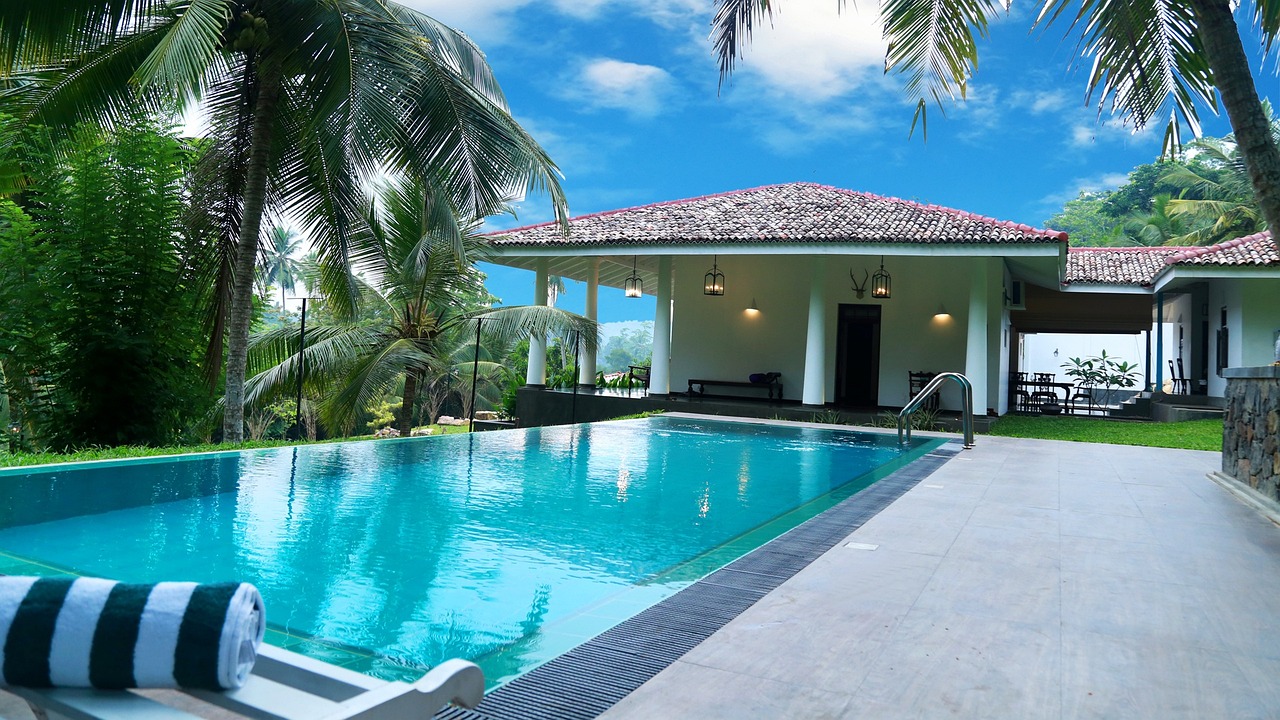
Orange County Pool Remodeling Experts for Your Project
Plan Finishes, Repairs, and Pool Area Updates
A pool renovation is easier to plan when you know what needs attention and what you want the finished space to do for you. Orange County Pool Remodeling Experts at Beachfront Pool Service can discuss the pool’s visible condition, your priorities, and the work you want considered. The appropriate scope depends on the pool, the materials selected, and any additional review required.
A project may involve the interior finish, tile, coping, deck, or equipment, but not every pool needs every upgrade. A careful review helps separate repairs from design preferences and gives you a clearer basis for deciding what to include. It also helps identify work that may require a separate specialist, permit review, or additional estimate.
To discuss your pool, call (949) 287-3343 or send a message through the contact page. You can also review the company’s pool services and pricing information as you prepare questions about the project.
What Orange County Pool Remodeling Experts Can Help You Plan
Pool remodeling is not one fixed package. The project may focus on a worn interior surface, damaged tile, coping that no longer suits the pool, a dated deck, or equipment that needs evaluation. Some homeowners want to address a practical problem; others want a broader update to the appearance and use of the outdoor space. The proposed work should reflect those specific goals.
During an initial discussion, consider whether you want to review:
- Pool interior: Surface condition, rough areas, stains, and possible finish choices.
- Waterline tile: Visible wear, loose sections, and color or material preferences.
- Coping: The pool edge, its condition, and how it meets the deck.
- Deck surface: Worn areas, cracks, drainage concerns, and potential finish updates.
- Equipment: Pumps, filters, heaters, controls, and other components you would like assessed.
- Lighting or features: Additions you want evaluated for compatibility, connections, and scope.
These are topics for evaluation, not a promise that each item is suitable for every pool. A visible crack, for example, may need further assessment before anyone can recommend a repair. Structural work and some equipment changes may involve additional approvals or specialized trades. A written proposal should make clear which items are included and which remain separate.
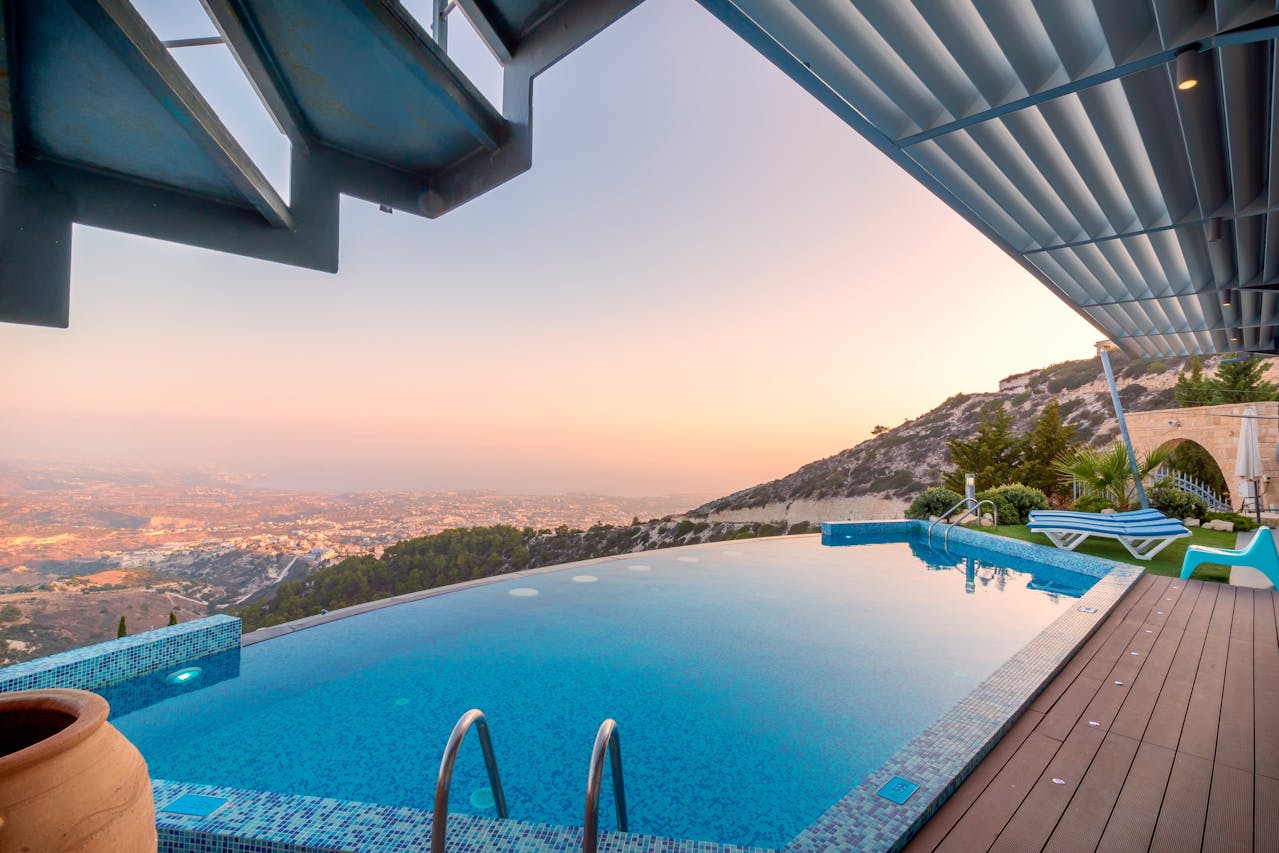
Orange County Pool Remodeling Experts: Compare Finish Options
Choose Materials That Fit the Pool and Property
Start with the Pool’s Condition and Your Priorities
Before selecting materials, identify the concerns you want addressed. Note rough or worn areas, missing or damaged tile, loose coping, stains that return, visible deck damage, or equipment that behaves differently than it used to. These observations help focus the discussion, but they do not prove what caused the issue. An inspection is needed to determine whether repair, replacement, or additional investigation is appropriate.
Separate repairs from design updates
It is helpful to distinguish work needed to address a condition from optional changes intended to refresh the look. A pool with a worn interior may need surface work, while a color change or new lighting may be a separate design decision. Listing each goal separately makes it easier to discuss priorities and compare alternatives.
Think about how the pool is used
Regular swimming, family recreation, entertaining, and occasional use can lead to different project priorities. You may be focused on surface comfort, easier operation, a deck that works better for seating, or a visual update that brings the pool in line with the rest of the backyard. Explain how the pool is used and what currently causes inconvenience so that recommendations have a practical context.
Consider the full visual setting
Interior finish, tile, coping, and decking all contribute to the final appearance. View samples next to the materials that will remain and consider how colors appear in natural light. Ask about texture, cleaning, maintenance, and how new materials will meet existing edges, steps, and transitions.
A sample is a useful starting point, but it may look different across a large surface or underwater. If you are considering several updates together, compare the options as a group before confirming a selection. That can help avoid choosing one finish in isolation and later discovering that it does not work with the rest of the pool area.
How a Pool Remodeling Project Is Organized
A clear project sequence helps you understand the work before it begins. The steps depend on the pool’s condition, the selected materials, the agreed scope, and whether any approvals or specialized work are needed.
- Discuss your goals. Describe the changes you want, what concerns you have, and which items matter most.
- Review the pool and surrounding area. Consider the interior, tile, coping, deck, equipment, access, and relationship between proposed changes.
- Confirm materials and products. Review finish choices, color, texture, product requirements, and care instructions.
- Define the written scope. Identify included work, exclusions, preparation, repairs, and how additional work will be approved.
- Verify applicable requirements. Confirm whether the specific work requires permits, inspections, or coordination with another trade.
- Coordinate the schedule. Discuss access, material delivery, work sequence, and any interruption to pool use.
- Review completion and care. Ask for operating and maintenance instructions for the materials and equipment involved.
If preparation reveals a condition that changes the plan, request an explanation and revised estimate before approving additional work. Ask how any change could affect cost, timing, and the finished result. Keeping decisions documented helps you understand what is being done and why.

Plan the Work with Orange County Pool Remodeling Experts
Clarify Preparation, Repairs, and Project Sequence
Review Materials and Possible Upgrades
Material choices affect appearance, care requirements, and installation details. Ask which specific products are being proposed and how they suit the pool’s existing condition. Compare samples and product information rather than relying on broad labels alone. If you have questions about texture, cleaning, or startup, bring them up before confirming the finish.
Interior finish options
Pool finishes differ in color, texture, and composition. A finish can influence the water’s appearance and how the interior feels, so it is worth reviewing samples alongside tile and coping. Ask about product-specific care instructions and preparation requirements. If the existing surface has damage, confirm how it will be evaluated before a new finish is selected.
Tile and coping choices
Tile and coping contribute to both the visual edge of the pool and the transition to the deck. If either is being replaced, consider how its color and shape will coordinate with the interior finish. Ask how corners, steps, joints, and adjoining deck materials will be handled in the proposed work.
Deck and surrounding surfaces
A deck update may be considered as part of a wider project when its condition and the agreed scope support it. Discuss cracks, wear, drainage, texture, and the way the deck meets the coping. A new surface should not be presented as a solution to an unresolved drainage or structural issue without an appropriate evaluation.
Equipment and feature changes
Equipment upgrades, lighting, automation, heaters, and water features may be possible to evaluate, but compatibility and connection requirements vary. Ask what supporting work would be needed and whether a specialized trade or separate approval applies. Keeping each feature and its related connections clear in the estimate makes it easier to decide what belongs in the current project.
For general information about the region, read about Orange County, California. The remodel itself should be planned around the condition and requirements of the specific pool.
What to Confirm in a Remodeling Estimate
A written estimate gives you a basis for understanding the proposed work. It should describe the project clearly enough that you can tell what is included, what is optional, and what falls outside the scope.
- Work areas: Confirm whether the proposal covers the pool interior, tile, coping, deck, equipment, or selected areas only.
- Preparation and repairs: Ask what removal, surface preparation, and repair work is included.
- Products and finishes: Identify proposed materials, selected colors, and product-specific care requirements.
- Equipment: Clarify which components are being retained, replaced, or added.
- Permits and inspections: Confirm whether they apply and who will verify and coordinate them.
- Schedule assumptions: Ask what could affect the timeline, including approvals, site conditions, or material availability.
- Exclusions: Identify work not included, such as structural repairs or conditions discovered after preparation begins.
- Change process: Ask how additional work will be described, priced, and approved.
- Payment terms: Review the stated payment schedule and the milestones it is tied to.
When comparing estimates, make sure they cover similar work. An estimate for an interior finish alone is not directly comparable to one that also includes tile, coping, decking, or equipment. Ask for the scope and exclusions in writing before weighing the totals.
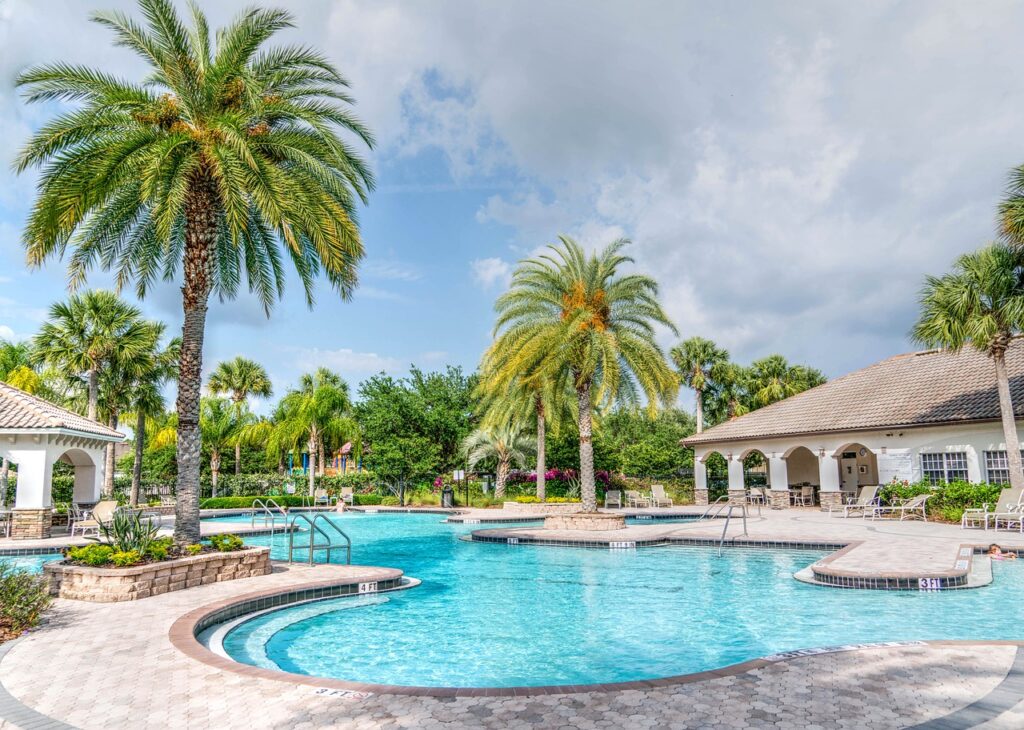
Review the Scope with Orange County Pool Remodeling Experts
Understand Costs, Exclusions, and Schedule Factors
Understand What Can Affect Project Cost and Timing
Remodeling costs vary with the pool’s size and condition, the work areas included, material choices, access, and any repairs or approvals required. A project-specific estimate is more useful than a general price range that does not account for the actual pool. If several finish or equipment options are available, ask how each one changes the scope and cost.
Timing also depends on the approved work. A focused update will have different requirements from a project involving multiple surfaces, equipment, or structural considerations. Material availability, weather where relevant, access, and required approvals can affect scheduling. Ask for a realistic project sequence after the scope is reviewed, and confirm what could change it.
Some work may require the pool to be drained, closed, or unavailable. Before scheduling, ask which activities interrupt pool use and when it can safely return to service. Follow the contractor’s and product manufacturers’ directions for curing, refilling, water treatment, and startup. Instructions for a different finish or project may not apply.
Plan Around Household Access and Pool Use
Consider how workers and materials will reach the pool and where items may need to be staged. Discuss gates, narrow side yards, outdoor furniture, landscaping, and any shared access rules before work begins. If the property has an association review or other approval process, confirm those requirements in advance.
It may also help to think about household routines during the project. Decide what outdoor areas need to remain accessible and whether there are times when noise or deliveries should be coordinated. These details do not change the technical requirements of the work, but planning them early can make the project easier to manage.
For projects involving structural changes, gas, electrical connections, or other regulated work, verify requirements with the appropriate local authority or qualified professional. The requirements depend on the exact work, so avoid assuming that a permit is or is not needed based only on a general description.
Maintenance After Remodeling
Care instructions depend on the materials and components selected. Ask for manufacturer guidance for new surfaces, tile, equipment, and controls. Keep those instructions available and follow the recommended startup and maintenance steps. Different finishes may have different requirements, so general advice for one material should not automatically be applied to another.
Routine attention can help you notice changes early. Maintain water conditions according to the applicable product guidance, watch for visible changes in surfaces or joints, and pay attention to unusual equipment behavior. If an issue develops, ask a qualified professional to evaluate it before applying a repair product or making an adjustment that could affect compatibility.
Keep records of the approved scope, product names, equipment models, operating settings, and any warranty documents provided. These details can help with future service and make it easier to identify what was installed. If continuing maintenance is part of your plan, discuss the available options and responsibilities directly with the service provider.
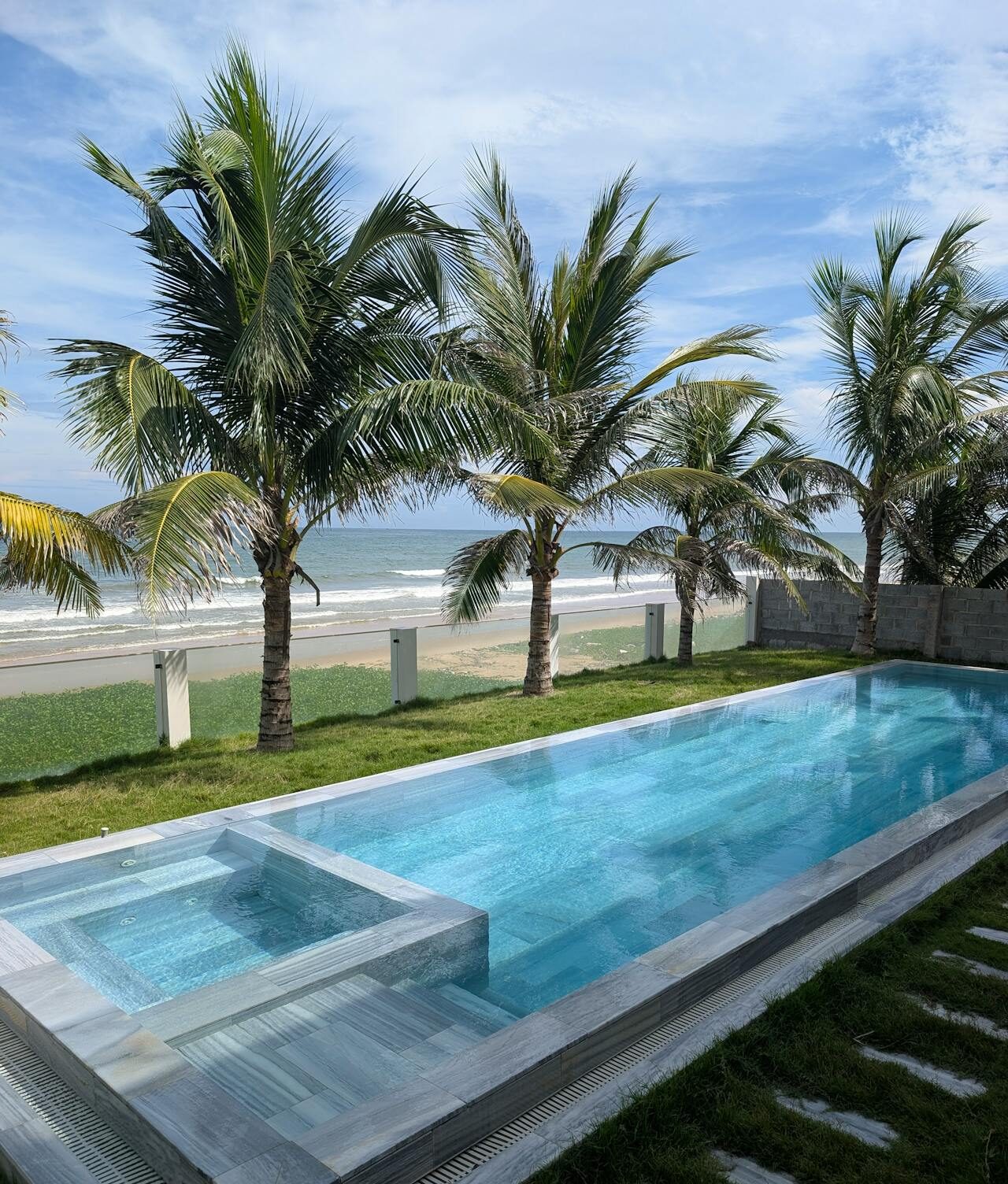
Bring Your Pool Plan Together with Orange County Pool Remodeling Experts
Discuss Your Project: (949) 287-3343
Discuss Your Project with Orange County Pool Remodeling Experts
A useful first step is to make a short list of what you want to change and what currently concerns you. Gather photos of visible wear, note any equipment issues, and identify which parts of the pool area you want considered. The service team can then discuss the requested work and what should be assessed before an estimate is prepared.
For information about other available work, visit the services page. When you are ready to discuss your pool, call (949) 287-3343 or send a project inquiry online. Ask about materials, preparation, schedule assumptions, and any requirements specific to the work you are considering.
Orange County Pool Remodeling Experts: Frequently Asked Questions
What can pool remodeling include?
The scope varies by pool. It may address the interior finish, tile, coping, deck, equipment, or selected features. A written estimate should identify the work included for your project.
Does every pool remodel require resurfacing?
No. The pool should be reviewed first. Some projects focus on other areas, while a worn or damaged interior may make finish work part of the proposed scope.
Can I update only part of my pool?
A project can focus on selected work if that approach fits the pool’s condition and your goals. Ask how the proposed changes will meet existing materials and whether related repairs should be considered.
Can the deck and pool be remodeled together?
They can be considered together when the scope and site conditions support it. Confirm how the work would be sequenced and whether the deck requires a separate estimate or approval.
How much does pool remodeling cost in Orange County?
Cost depends on the pool, work areas, materials, repairs, access, and any required approvals or specialized trade work. Request a written estimate based on the actual project.
How long does pool remodeling take?
Timing depends on the approved scope, work sequence, site conditions, material availability, and approvals. Ask for a project-specific schedule and what could affect it.
Will my pool be usable during the work?
Some work may require the pool to be closed or unavailable. Confirm which stages affect pool use and follow instructions for refilling, startup, and returning it to service.
Do pool remodeling projects need permits?
Permit requirements depend on the work and applicable local rules. Ask who will verify whether permits or inspections apply and whether coordination is included in the estimate.
Can I add equipment or automation during a remodel?
Potential additions should be reviewed for compatibility, connections, access, and applicable requirements. Ask for each requested component and related work to be listed in the written scope.
Can I choose new materials and colors?
Material and color options depend on available products and the pool’s condition. Review samples in the setting where they will be used and ask about maintenance and transitions before making a selection.
What if additional repairs are discovered after work begins?
Ask for the condition, proposed repair, added cost, and schedule impact to be documented before approving additional work. This gives you the information needed to decide how to proceed.
What should I prepare before requesting an estimate?
Gather photos of the pool and equipment area, note visible concerns, and list the changes you want to discuss. Approximate dimensions and equipment model information may also help start the conversation.
How do I get started?
Call (949) 287-3343 or use the contact form to discuss your project and request an estimate.