
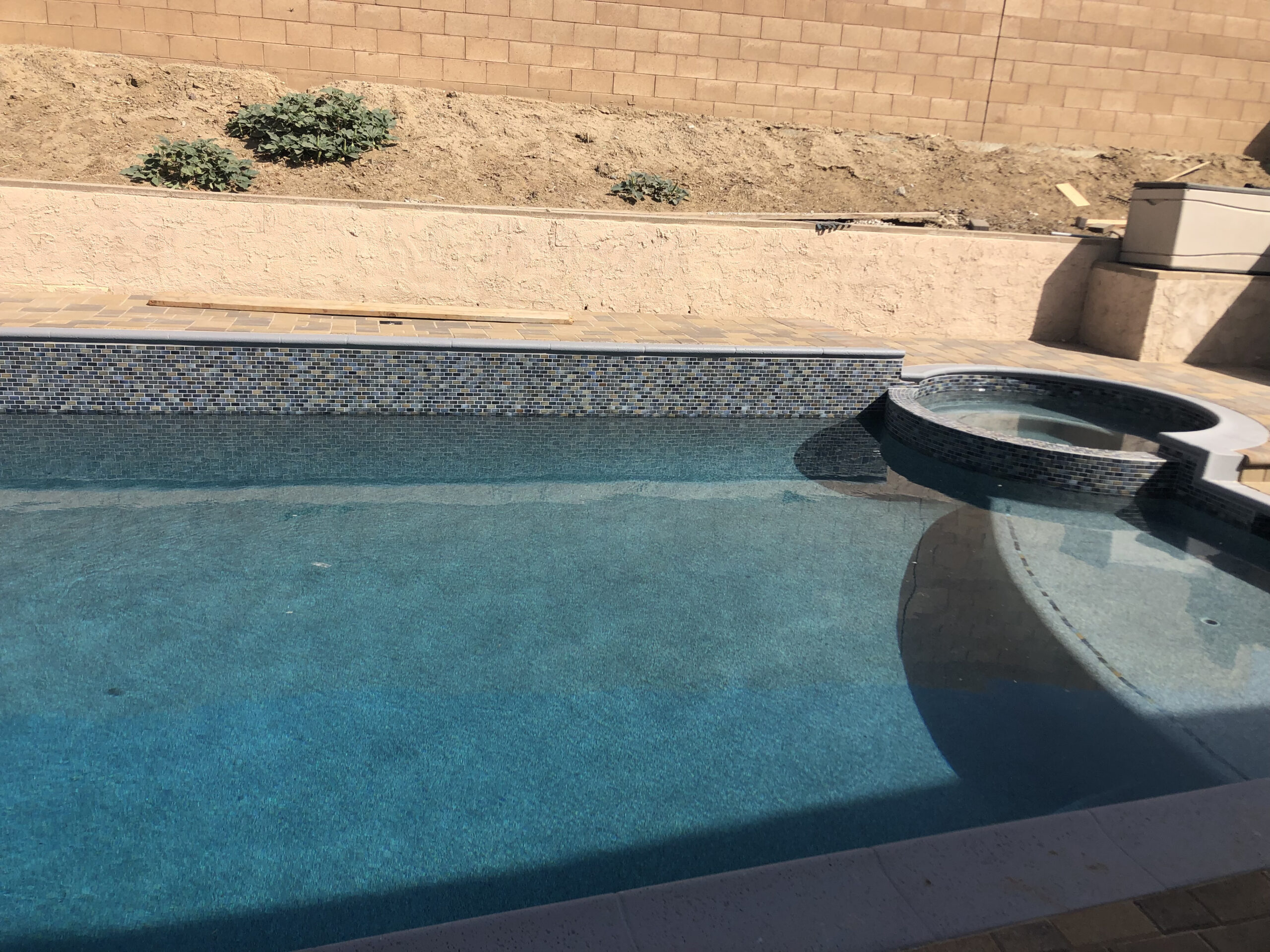
Pool Spillway Feature Design for a More Distinctive Pool
Plan the Water Flow, Materials, and Poolside Details
A spillway can turn the transition between a raised spa, pool wall, and main pool into a deliberate design feature. The shape of the opening, its height, the materials around it, and the amount of water flowing over the edge all influence how the feature looks and sounds. Beachfront Pool Service can discuss a pool spillway feature with you and help identify the practical details to review before installation or renovation work begins.
Some homeowners prefer a clean, even sheet of water. Others want a more textured flow that suits a stone or tile setting. The right design depends on the existing structure, plumbing, equipment, and the visual style you want. A site-specific evaluation helps determine whether the wall or spa can accommodate the feature as planned, or whether changes need to be considered.
Before choosing a spillway, think about how you use the pool and what you want the water movement to add. Is the feature mainly decorative? Do you want to hear the water from a seating area? Will it connect a raised spa to the pool? Clear priorities help guide decisions about dimensions, material, water flow, lighting, and controls.
What Is a Pool Spillway Feature?
A pool spillway feature is an opening, ledge, or shaped edge that allows water to flow from a raised section into a lower pool area. A common arrangement connects an elevated spa to the main pool. The water may fall as a smooth sheet or flow over a textured surface, depending on the design and the way the feature is built.
A spillway is both a visual element and part of the pool’s water system. Its appearance depends on the wall or spa height, the shape and width of the opening, the finish surrounding it, and the available water flow. Plumbing, valves, and pump operation may also affect how the feature behaves. These details should be reviewed together rather than selecting a decorative lip without considering the system behind it.
Pool Spillway Feature Styles
A simple spillway may use a straight, level edge for a more uniform sheet of water. A stone or tile opening can create a different look, while a shaped or stepped design may produce a more broken flow. These are design possibilities, not one-size-fits-all options; the appropriate style depends on the pool structure and the planned water delivery.
When comparing styles, consider the shape of the edge, how visible the opening will be from the house or patio, and how the feature relates to the spa, coping, and surrounding deck. Ask to see examples or material samples where available. Photos can help communicate a general direction, but the finished result will depend on the actual dimensions and conditions at your pool.

Pool Spillway Feature Styles and Materials
Choose a Design That Fits the Existing Pool
Design Details to Review Before Installation
A spillway needs to fit the structure it will be built into. If it connects a raised spa to the pool, the height difference and wall construction will influence the opening and water path. If it is integrated into a raised wall, the available space and nearby plumbing matter. The feature should be planned around the existing pool rather than treated as a separate decorative object.
Opening Width and Edge Shape
The width of the spillway affects the visual proportion and the way water can spread across the edge. A narrow opening can create a more concentrated flow, while a wider opening may suit a broader wall or spa. The required dimensions depend on the site and water delivery, so avoid choosing a width based only on a general online recommendation.
The lip or edge also matters. A level, well-finished edge can help create a more consistent appearance, while a textured surface may create a varied flow. Discuss how the selected profile will be formed, what material will be used, and how the opening will meet the surrounding tile, stone, or coping.
Water Flow and Sound
The sound of a spillway depends on factors such as the amount of water, the height of the drop, the edge shape, and the receiving surface. A thin, even flow may sound different from a deeper or more broken cascade. If sound is important to you, explain where you expect to hear the feature and ask how the proposed design may affect it.
Flow may also depend on the existing pump, plumbing, valves, and how the pool or spa system is configured. A qualified professional should review those elements before confirming what a particular setup can deliver. The design should account for the pool’s equipment and intended use rather than promise a specific flow pattern in advance.
Materials Around the Spillway
Tile, stone, and other suitable finishes can help the spillway relate to the pool’s existing design. Compare samples with the waterline tile, coping, deck, and spa finish. Consider not only color but also surface texture, exposure to water, cleaning needs, and compatibility with the surrounding materials.
Ask how the material will be installed and maintained. Some surfaces may show mineral deposits more readily than others, and joints or edges may need periodic attention. Product details and care instructions can help you understand the upkeep associated with each selection.

Coordinate the Spillway With Pool Finishes
Consider Tile, Coping, and Water Movement Together
Integrating a Spillway With an Existing Pool or Spa
Adding a spillway to an existing pool is not always a simple matter of opening a wall. The structure, plumbing route, equipment, access, and finish details all affect what is feasible. An assessment can identify which parts of the existing setup can remain and which may need modification to support the proposed feature.
If the spillway is part of a raised spa, the conversation should cover how the spa and pool are currently connected, how water will be delivered to the opening, and how the feature will operate with the existing controls. If the pool has a raised wall without a spa, the design still needs to account for the structure, plumbing, and receiving area below.
Questions About Existing Plumbing and Equipment
Before installation, ask how the water will reach the spillway and whether the existing plumbing and equipment are appropriate for that purpose. The answer depends on the current system and desired flow. A contractor should explain any proposed valve, plumbing, pump, or control changes in the written scope.
Also ask whether the spillway will operate with the pool’s regular circulation, require a separate setting, or involve other equipment. The operating plan should be clear before the work begins. If you expect to control the feature independently, confirm what controls are included and how they will work with the pool’s existing setup.
Structural and Finish Transitions
The opening needs to be integrated with the wall, spa, or other structure that supports it. Ask how the edge will be prepared, how the new materials will meet existing finishes, and how the work will address the area where water lands. These details affect the finished appearance and help clarify what is included in the installation.
When the project also involves tile, coping, or other nearby work, coordinate those selections before materials are installed. Matching lines and finishes can make the feature feel connected to the pool rather than added as an afterthought. The written scope should identify each surface and transition that will be changed.
How to Plan a Pool Spillway Feature Project
A good planning process helps set expectations and keeps design choices tied to the site. The exact sequence depends on the pool and requested work, but these steps provide a useful framework for discussing a pool spillway feature with a contractor.
1. Decide What You Want the Feature to Do
Think about the reason for adding a spillway. You may want to connect a raised spa visually to the pool, introduce movement to a plain wall, or add the sound of falling water near a patio. Rank your priorities: appearance, sound, ease of operation, material choice, or integration with other planned renovations.
2. Review the Existing Conditions
Have the structure, surrounding finishes, plumbing, and equipment evaluated. Share any prior repair information or drawings you have. Ask which conditions can be confirmed during the visit and whether further review is needed before the design is finalized.
3. Compare Design and Material Options
Review possible opening shapes, dimensions, edge finishes, and material combinations. Ask how each option may affect water flow, sound, maintenance, and cost. If the spillway is part of a larger update, consider it alongside tile, coping, deck work, and other elements that will remain visible around it.
4. Confirm the Scope and Schedule
The proposal should explain the work areas, preparation, materials, plumbing or equipment changes, exclusions, and cleanup. Discuss expected project stages, access, and any periods when the pool or spa will be unavailable. Timing depends on site conditions, materials, and the work involved, so request a schedule for your specific project.
5. Review Operation and Care
After installation, ask how to operate the spillway and which settings affect its flow. Request care instructions for the materials used, including how to address mineral deposits, debris, or other buildup. Keep those directions with the project documents so they are easy to consult later.
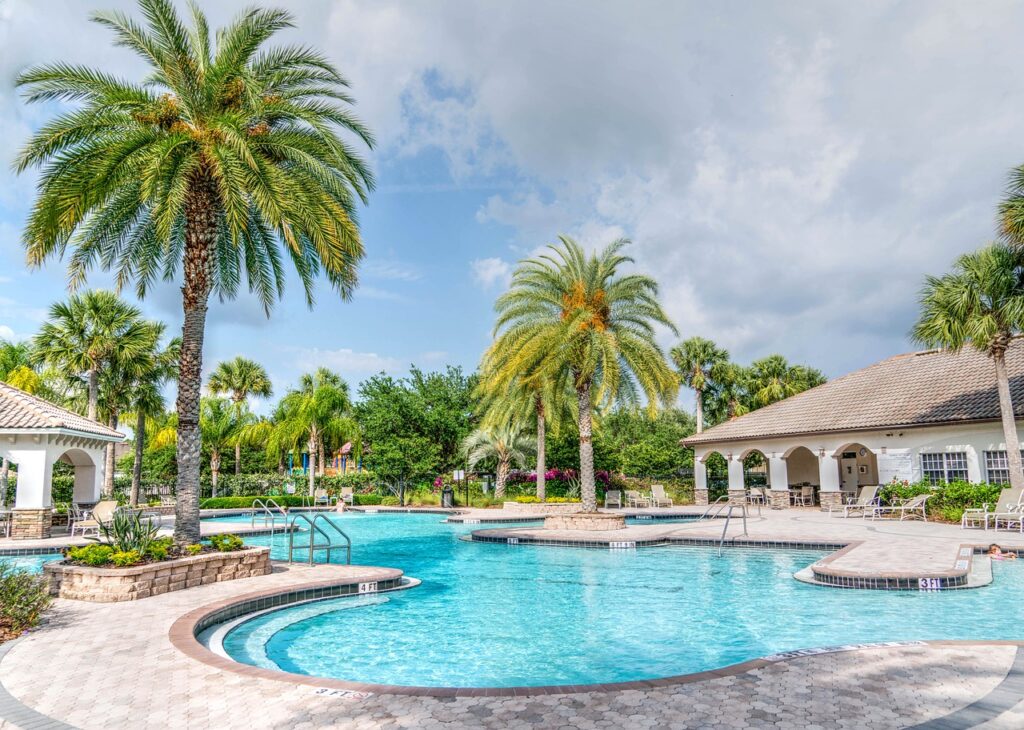
Plan the Pool Spillway Feature Around Existing Conditions
Confirm Structure, Plumbing, and Equipment Before Work
What to Include in a Spillway Estimate
A useful estimate should describe the feature being installed and the work needed to support it. Avoid relying on a brief description such as “add spillway” without details. Ask the contractor to document the proposed opening, materials, preparation, plumbing or control changes, and how the feature will meet the existing pool or spa.
- Design details: Opening location, approximate dimensions, edge style, and intended visual effect.
- Materials: Product selections for the lip, surrounding finish, tile, or stone.
- Preparation: Work required to access and prepare the wall, spa, or pool edge.
- System changes: Any plumbing, valves, pump, or control work included in the scope.
- Site responsibilities: Access, protection, debris handling, and cleanup.
- Exclusions and changes: Conditions that may change cost or schedule and the process for approving additional work.
Compare proposals by their included work, not only by the total price. One estimate may include surrounding tile or equipment adjustments while another may cover only the spillway opening. Ask questions until the differences are clear, and request written approval of any added work before it proceeds.
Maintenance for a Pool Spillway Feature
Routine care helps keep the spillway and its surrounding finishes presentable. Remove leaves and debris when they collect, and follow the care recommendations for the materials installed. Waterline areas and edges may show mineral deposits or residue over time, depending on water conditions and maintenance. Use product-appropriate cleaning methods rather than abrasive tools or chemicals that could damage a finish.
Water balance and circulation can influence deposits and the condition of nearby surfaces. Follow guidance from your pool care professional for maintaining the water. If the spillway’s flow changes, check for visible debris and review the system’s settings. Persistent changes may require an evaluation of the plumbing or equipment.
Seasonal and Routine Checks
Include the spillway in regular visual checks of the pool. Look for loose materials, visible cracks, unusual staining, or changes in how water crosses the edge. Pay attention to the area where the water lands, as well as joints and transitions around the opening.
If the spillway is operated only occasionally, confirm the recommended startup and operating steps with the installer. Keep controls accessible and make sure anyone who operates the pool understands which setting activates the feature. A short explanation at project closeout can prevent confusion about normal operation.

Keep the Pool Spillway Feature Clean and Functional
Follow Material-Specific Care and Operating Guidance
Discuss a Pool Spillway Feature With Beachfront Pool Service
If you are considering a spillway for a raised spa, pool wall, or another part of your pool, begin with a discussion of the existing structure and the effect you want to create. Beachfront Pool Service can review the project details with you and discuss possible next steps for an estimate.
Call (949) 287-3343 or send a request through the contact page. You can also review the services page and learn more about the company on the company profile.
For general background on decorative water features, see Wikipedia’s overview of an artificial waterfall. The design and installation requirements for a pool spillway depend on the specific pool, structure, and equipment.
Frequently Asked Questions About a Pool Spillway Feature
What is a pool spillway feature?
It is an opening, ledge, or shaped edge that lets water pass from a raised area into a lower pool. A common arrangement connects a raised spa with the main pool, but the exact design depends on the structure.
Can a spillway be added to an existing pool?
It may be possible, but the pool wall, spa structure, plumbing, equipment, and access need to be evaluated first. The assessment helps determine what changes the installation would require.
Does a spillway always connect a spa to a pool?
No. A spillway can be incorporated into other raised pool walls or structures. Its location and purpose depend on the design and the way water will be delivered to it.
What affects the water’s appearance and sound?
The opening’s width and edge shape, the height of the drop, the receiving surface, and the amount of water all affect the flow and sound. The pool’s plumbing and equipment also matter.
What materials can be used around a spillway?
Options may include tile, stone, or other materials suitable for the location and water exposure. Ask about compatibility, finish transitions, cleaning, and maintenance before making a selection.
Does a spillway need separate plumbing?
That depends on the existing circulation system and the desired operation. A professional should review the plumbing, valves, pump, and controls before confirming what changes are needed.
Can a spillway be operated separately from the pool?
Possibly, depending on the equipment and controls. If independent operation is important, discuss that requirement before the project scope is prepared and confirm how the selected setup will work.
Will a spillway increase water loss?
Water movement and exposure can affect evaporation, but the amount depends on the design, operating time, weather, and pool conditions. Ask how your proposed setup may affect water use.
Can lighting be added around a spillway?
Lighting may be considered if the pool layout, equipment, and applicable requirements allow it. Ask how fixtures would be positioned and controlled and whether the proposal includes electrical work.
How long does spillway installation take?
Timing varies with the design, materials, access, structural preparation, and any plumbing or finish work. Request a schedule based on the existing pool and the specific work proposed.
Does installation require permits?
Requirements depend on the work and the property’s jurisdiction. Confirm whether permits or inspections apply to the planned structural, plumbing, or electrical changes before construction begins.
How do I maintain a spillway?
Remove debris, follow care instructions for the installed materials, and keep pool water properly maintained according to professional guidance. Check periodically for deposits, loose materials, or changes in flow.
Can a spillway be built into a raised wall?
It may be possible if the wall and surrounding area can accommodate the opening and water path. The structure, finish transitions, plumbing, and receiving area should be reviewed before design approval.
How do I get an estimate?
Call (949) 287-3343 or use the contact form to discuss your pool, the proposed spillway location, and the water effect you want.