
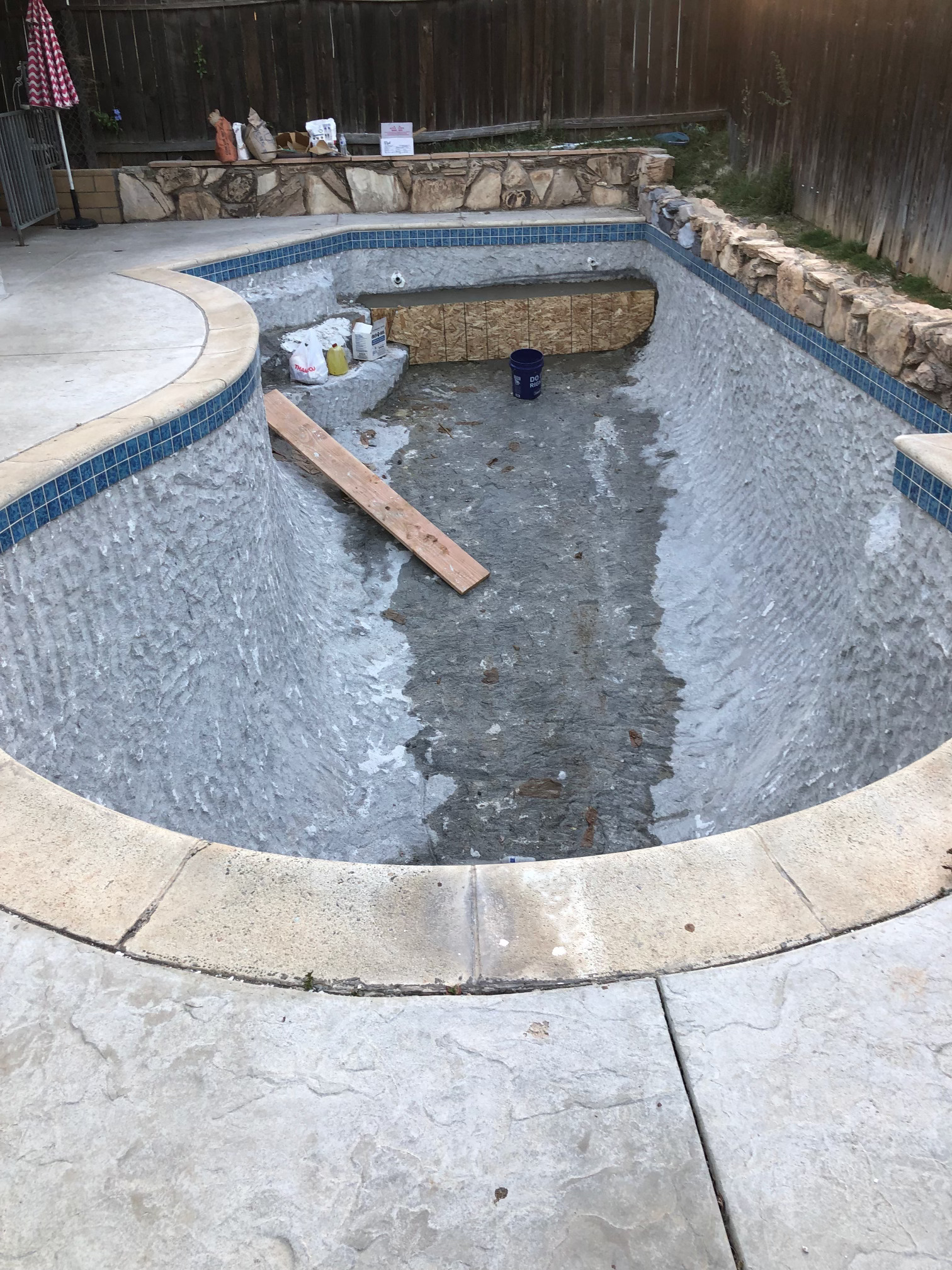
Pool Deck Resurfacing Techniques for a More Usable Pool Area
Compare surface options for appearance, texture, and everyday use
A pool deck affects how the entire pool area looks and feels. When the surface becomes worn, stained, rough, or difficult to maintain, the space may no longer be as comfortable or inviting as it once was. Pool Deck Resurfacing Techniques can offer different ways to update an existing deck, depending on its condition, material, and the finish you want.
Beachfront Pool Service can discuss pool deck surface options with homeowners in Orange County. The right method depends on what is already there, whether the existing surface is sound, and what you want the finished area to accomplish. Some approaches emphasize texture and appearance; others may be selected for easier cleaning or to change the way the surface feels in sun and around water. An assessment helps narrow the options before you commit to materials or a project scope.
If your deck has cracks, worn coating, fading, stains, or areas that feel uneven, make a note of their location and extent. Photos can also help explain what you are seeing during an estimate discussion. Call (949) 287-3343 or contact Beachfront Pool Service to discuss the deck and request an estimate.
Start With the Existing Pool Deck
Before selecting a finish, it is important to understand the existing surface. A coating or overlay is only as dependable as the substrate and preparation beneath it. The deck may need cleaning, repairs, removal of incompatible coatings, or further evaluation before a new system is considered. Applying a finish without addressing relevant surface conditions can lead to poor results.
Look for Conditions That Affect the Approach
Visible signs such as cracks, surface scaling, loose material, stains, standing water, or height differences are useful to document. Their appearance alone does not reveal the underlying cause. For example, cracking may relate to movement, age, drainage, or previous repairs. A surface review can help determine what needs attention and whether resurfacing is suitable for the deck.
Tell the contractor about previous repairs or coatings if you know what was used. Share whether water tends to collect in specific areas and whether the deck has changed over time. These details can guide the assessment and help identify questions that should be resolved before a new finish is selected.
Decide What You Want the New Surface to Do
Consider how the deck is used throughout the day. Is bare-foot comfort a priority? Do you want a texture that feels secure when the area is wet? Are you trying to update the appearance, make routine cleaning easier, or coordinate the deck with changes to the pool edge? Clear priorities help you compare systems according to the qualities that matter to your household.
There is rarely one finish that is best for every property. A surface selected for its decorative pattern may require different care from a simpler textured coating. A color that looks cool in a sample may appear different in full sun beside the pool. Discuss the tradeoffs, view samples where possible, and confirm that the selected system is suitable for the existing deck.
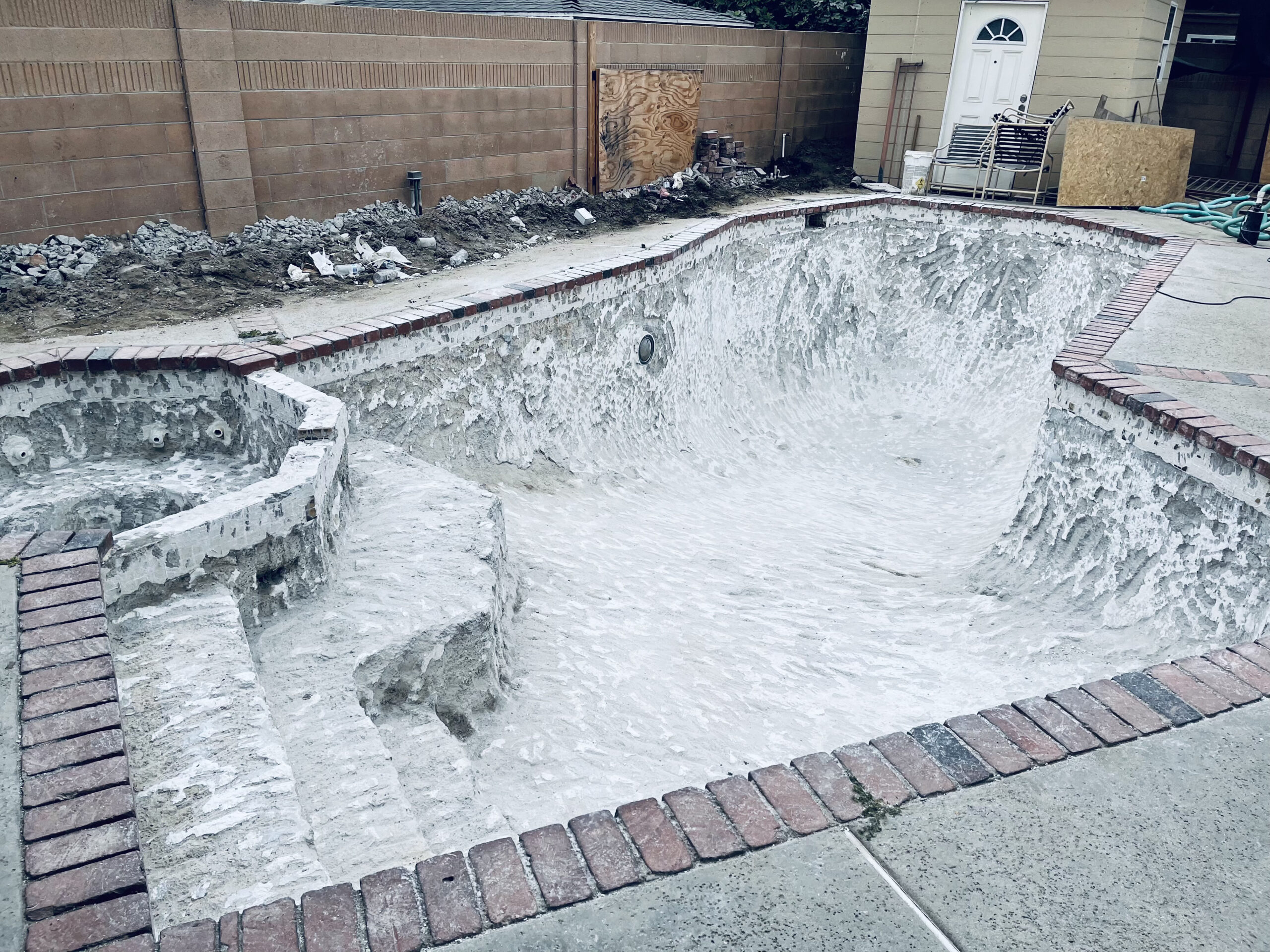
Pool Deck Resurfacing Techniques Depend on Surface Condition
Assess the existing deck before choosing an overlay or coating
Pool Deck Resurfacing Techniques to Discuss
Resurfacing systems vary in material, texture, application, and appearance. The terms used to describe them can also vary by manufacturer. Ask what product or system is being proposed, how it is installed, what preparation it requires, and what maintenance it needs. The following approaches can help structure that conversation.
Textured Coating Systems
A textured coating may be considered when the existing deck is suitable for a coating and the goal is to refresh its appearance or surface feel. The texture, color, and application method depend on the selected product. Before choosing one, ask how the deck needs to be prepared, whether cracks or joints require separate treatment, and how the finish should be cleaned and maintained.
Samples can help you judge texture and color, but they do not show every detail of the finished installation. Ask how the coating will look across larger areas, at edges, around drains, and where the deck meets coping or steps. These transitions should be part of the discussion before work begins.
Decorative Overlay Systems
An overlay can add a new decorative layer over an existing surface when conditions allow. Some overlay systems can be finished with patterns or textures intended to create a more detailed appearance. The design should be considered alongside the deck layout, joints, coping, and surrounding materials so that the finished result feels consistent rather than pieced together.
Not every slab is an appropriate candidate for an overlay. The contractor should evaluate the existing concrete, any previous coatings, drainage, cracks, and areas that may have movement. Ask what repairs are included before application and what conditions could require a different approach.
Stamped or Patterned Finishes
A stamped or patterned finish may be an option when you want the deck to have a more defined decorative character. Patterns can be used to suggest stone, tile, or other visual treatments, depending on the product and installation method. Consider how the pattern will look across the full deck, including narrow sections, corners, steps, and areas around built-in features.
Ask how a patterned finish is maintained and how repairs would be handled if an area is damaged later. It is also useful to review color samples and examples of the actual product system, rather than assuming a pattern will look the same across different materials.
Cooler-Feeling Surface Options
Some pool deck products are selected with surface comfort in mind. Color, texture, exposure, and material all influence how a deck feels in direct sun. If reducing heat is important, ask which options are intended for that purpose and what their expected performance depends on. Avoid relying on broad claims without discussing the specific product, color, and setting.
A sample can help with design decisions, but the experience across a large outdoor surface may vary with sunlight and shade. Consider how the deck is oriented, where people tend to walk or sit, and whether nearby trees or structures create shaded areas during the day.
Repair and Protective Finishing
Some projects need targeted repairs before a protective coating or finish is applied. Cracks, chipped areas, joints, and surface defects should be reviewed to determine what preparation is appropriate. A sealant may also be part of a system or recommended for a particular material, but sealing is not a substitute for correcting problems that affect the deck underneath.
Ask whether the proposed product requires periodic resealing, what preparation is included, and how the deck should be cleaned after installation. Clear maintenance guidance helps you understand the care involved before making a selection.
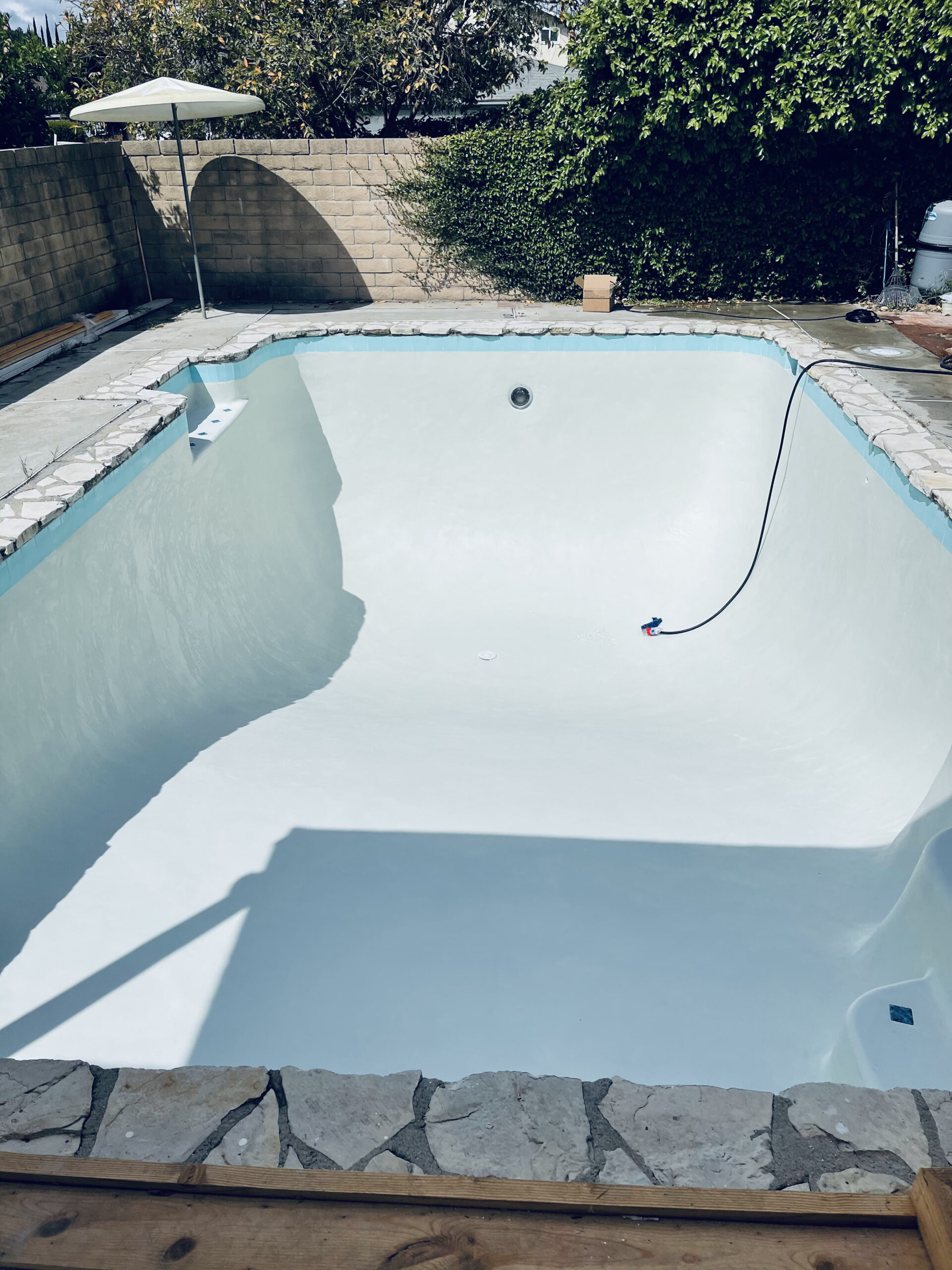
Compare Pool Deck Resurfacing Techniques by Finish and Function
Review texture, pattern, color, preparation, and ongoing care
How to Choose a Resurfacing Method
A good selection process balances the deck’s condition with your priorities. Start with the purpose of the project, then compare materials that are appropriate for the surface. Consider whether you want a subtle refresh or a more noticeable design change. Ask the contractor to explain why a system is suitable and what limitations apply to your deck.
Surface Preparation and Bonding
Preparation often includes cleaning and addressing surface defects, but the exact steps depend on the existing material and selected system. Ask how the surface will be prepared and how the contractor will determine whether it is ready to receive the new material. If there are old coatings, oil, contaminants, or repairs, clarify whether they need removal or specialized treatment.
Bonding and installation instructions are product-specific. Ask what is being applied, how it will be installed, and what conditions are needed during application and curing. Understanding these details can help you set realistic expectations for the work and the period before the deck can be used.
Texture and Wet-Area Use
Because the deck is near water, texture is an important part of the selection. Ask how the proposed surface is intended to perform when wet and what care is needed to preserve its texture. No finish eliminates every slip risk, so keep the deck clean and follow the product’s care instructions after installation.
Texture also affects maintenance and comfort. A heavily textured finish may feel different underfoot and may hold debris differently from a smoother surface. Compare samples and ask how each option fits the way your household uses the pool area.
Drainage and Transitions
Water should move away from areas where it can collect or create ongoing maintenance problems. During the assessment, point out low spots or places where water pools after cleaning or rain. Ask whether the proposed work changes surface elevations and how the deck will meet coping, drains, steps, and adjacent paving.
Resurfacing may improve the appearance of a deck, but it should not be presented as a guaranteed solution for drainage or structural movement. Those concerns may require separate evaluation and work. Include them in the discussion so the estimate reflects what is known and identifies what remains uncertain.
What to Expect During Pool Deck Resurfacing
A clearly defined process helps homeowners prepare the property and understand what is included. The specific steps depend on the chosen system, deck condition, access, and weather. Before work begins, the estimate should identify the work area, preparation, material, cleanup, expected downtime, and any exclusions.
1. Site Review and Scope
The project starts with a review of the existing deck and the goals for the finished surface. Identify visible cracks, prior coatings, drainage concerns, and areas that need a closer look. Ask which repairs are included and how conditions discovered during preparation will be documented and approved before any additional work is performed.
2. Material and Design Selection
Review available product information, colors, and textures. Confirm the specific system and finish in writing, especially if the deck will coordinate with coping or other outdoor surfaces. If a selected product becomes unavailable, review the substitute for appearance, performance, maintenance, and cost before approving a change.
3. Preparation and Application
The contractor prepares the area according to the selected product requirements and applies the finish using the agreed method. The work area may need to remain clear during preparation and application. Ask how nearby landscaping, pool edges, drains, and adjacent surfaces will be protected.
4. Curing, Cleanup, and Care
After application, the deck needs time to cure according to the product and site conditions. Ask when foot traffic can resume and when furniture or other items can be returned to the area. Obtain instructions for cleaning, sealing if applicable, and routine care. Following these directions can help preserve the finish and make maintenance more predictable.
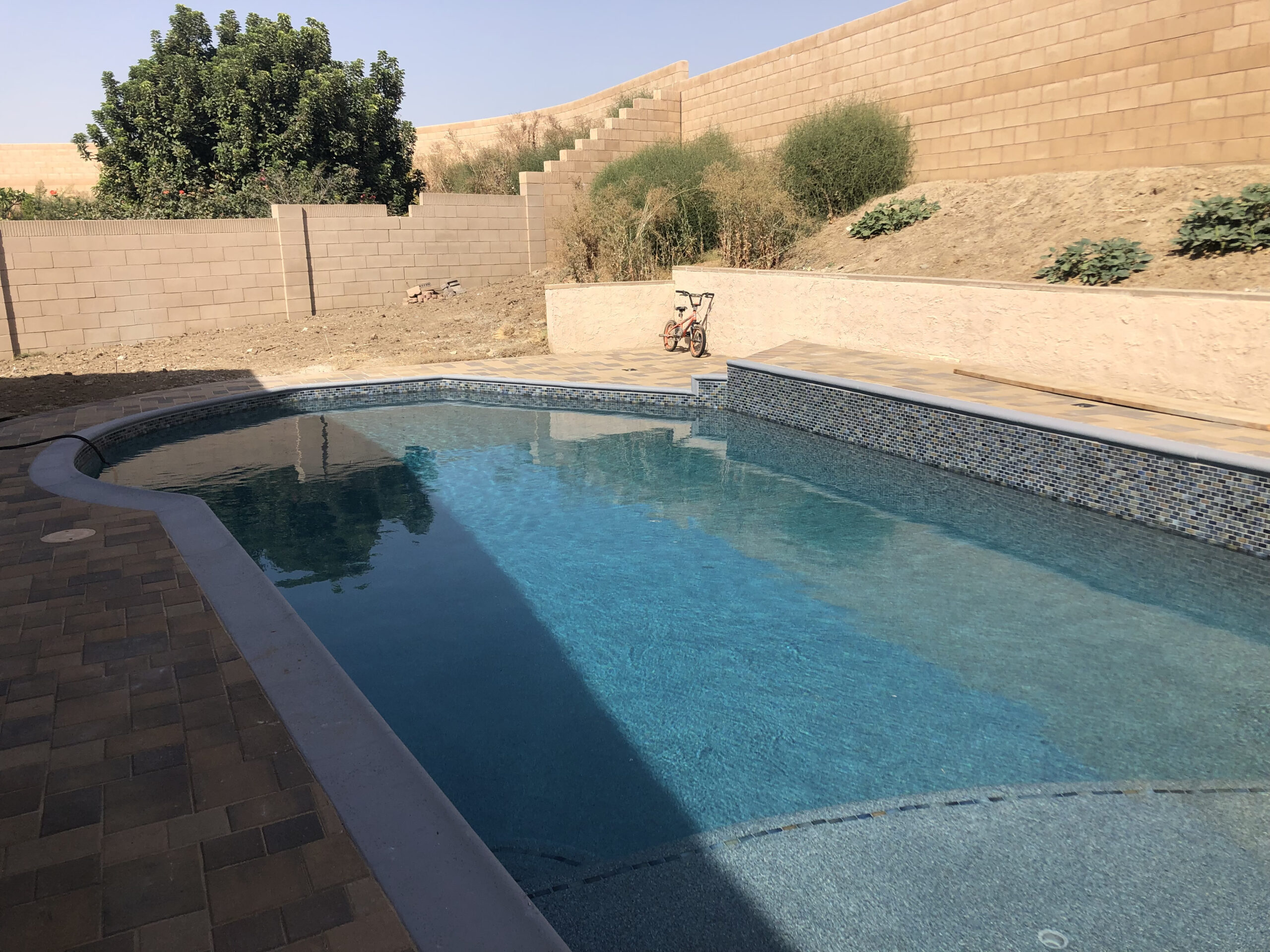
Plan Pool Deck Resurfacing Techniques Around the Site
Clarify access, preparation, curing, and maintenance before scheduling
Budget, Timing, and Maintenance Questions
Cost depends on the size and condition of the deck, the amount of preparation and repair, selected materials, access, and the detail of the chosen finish. A straightforward coating and a patterned overlay may require different labor and materials. Ask for an estimate based on the actual deck and confirm what is included before comparing prices.
Find out whether cleaning, crack treatment, removal of old coatings, protection, cleanup, and disposal are part of the scope. Ask how concealed conditions will be explained and whether additional charges require your approval. A written description helps you understand what the estimate covers and what may change if the surface condition differs from what was visible.
Timing depends on project size, preparation, product requirements, weather, and curing. Request a schedule that explains the expected work stages and when the deck can be walked on or returned to normal use. Avoid assuming a universal drying time; follow the instructions for the specific system installed.
For maintenance, ask whether the selected surface needs periodic sealing, what cleaners are appropriate, and how to address stains or minor damage. Keep product details and care guidance for future reference. Routine cleaning and timely attention to small issues can make it easier to maintain the appearance of the deck.
Choose Pool Deck Resurfacing Techniques With Long-Term Care in Mind
Compare maintenance needs along with appearance and installation
Before approving a project, walk through the proposed scope and ask how the chosen material will meet the pool edge, deck joints, drains, and adjacent surfaces. Confirm the color and texture, what repairs are included, and how changes will be approved if new conditions appear during preparation. These practical details are easier to resolve before the work begins.
Pool Deck Resurfacing Techniques: Frequently Asked Questions
What are pool deck resurfacing techniques?
They are methods for preparing and applying a new finish over an existing pool deck when the underlying surface is suitable. Options can include textured coatings, decorative overlays, or other product-specific systems. The correct approach depends on the deck’s condition and the intended finish.
How do I know whether my deck can be resurfaced?
A site assessment can help determine whether the existing surface is suitable for a coating or overlay. Cracks, movement, drainage concerns, old coatings, and other conditions may affect the recommendation. Ask what preparation or repairs are needed before the finish is applied.
Can resurfacing address cracks?
Some cracks may be treated as part of preparation, but the appropriate method depends on their cause and condition. Resurfacing should not be assumed to resolve structural movement. Ask whether a crack needs separate evaluation and how the proposed repair will be reflected in the estimate.
Will the finished surface be slip-resistant?
Some systems offer textured finishes intended for wet areas. Ask how the selected product is designed to perform and how to maintain its texture. No deck finish removes every slip risk, so keep the area clean and follow product care instructions.
Can I choose the color and pattern?
Many systems offer choices in color and texture, and some allow decorative patterns. Availability depends on the selected product. Review samples and confirm the specific choice in writing before materials are ordered.
Can resurfacing make a pool deck cooler?
Some products and colors are selected with surface comfort in mind, but results depend on the material, shade, sun exposure, and site conditions. Ask about the specific product rather than relying on a broad promise about temperature.
How long does pool deck resurfacing take?
The schedule varies with the deck’s size, preparation needs, selected finish, weather, and product curing requirements. Ask for a project-specific schedule and instructions about when the deck can be used again.
Does the existing surface need to be removed?
Not always. Whether a new system can be applied over the existing surface depends on its condition, material, and compatibility with the product. The contractor should explain what removal or preparation is included.
What maintenance does a resurfaced deck need?
Maintenance depends on the product installed. Ask about cleaning methods, stain care, and whether sealing is recommended. Keep the manufacturer’s instructions and project information available.
How do I request an estimate?
Call (949) 287-3343 or use the Beachfront Pool Service contact form to discuss your deck and request an estimate.
Discuss Pool Deck Resurfacing Techniques With Beachfront Pool Service
The right surface approach depends on the deck you have and the results you want. Beachfront Pool Service can discuss the existing condition, available finish options, and the scope needed for an estimate. Visit the services page for an overview of the company’s offerings.
For a general reference to swimming pools and their surrounding areas, see Wikipedia’s swimming pool overview. To discuss your project, call (949) 287-3343 or contact Beachfront Pool Service online.