
Residential Pool Remodeling for a More Useful, Comfortable Backyard
Plan the surfaces, features, and equipment around how you use your pool
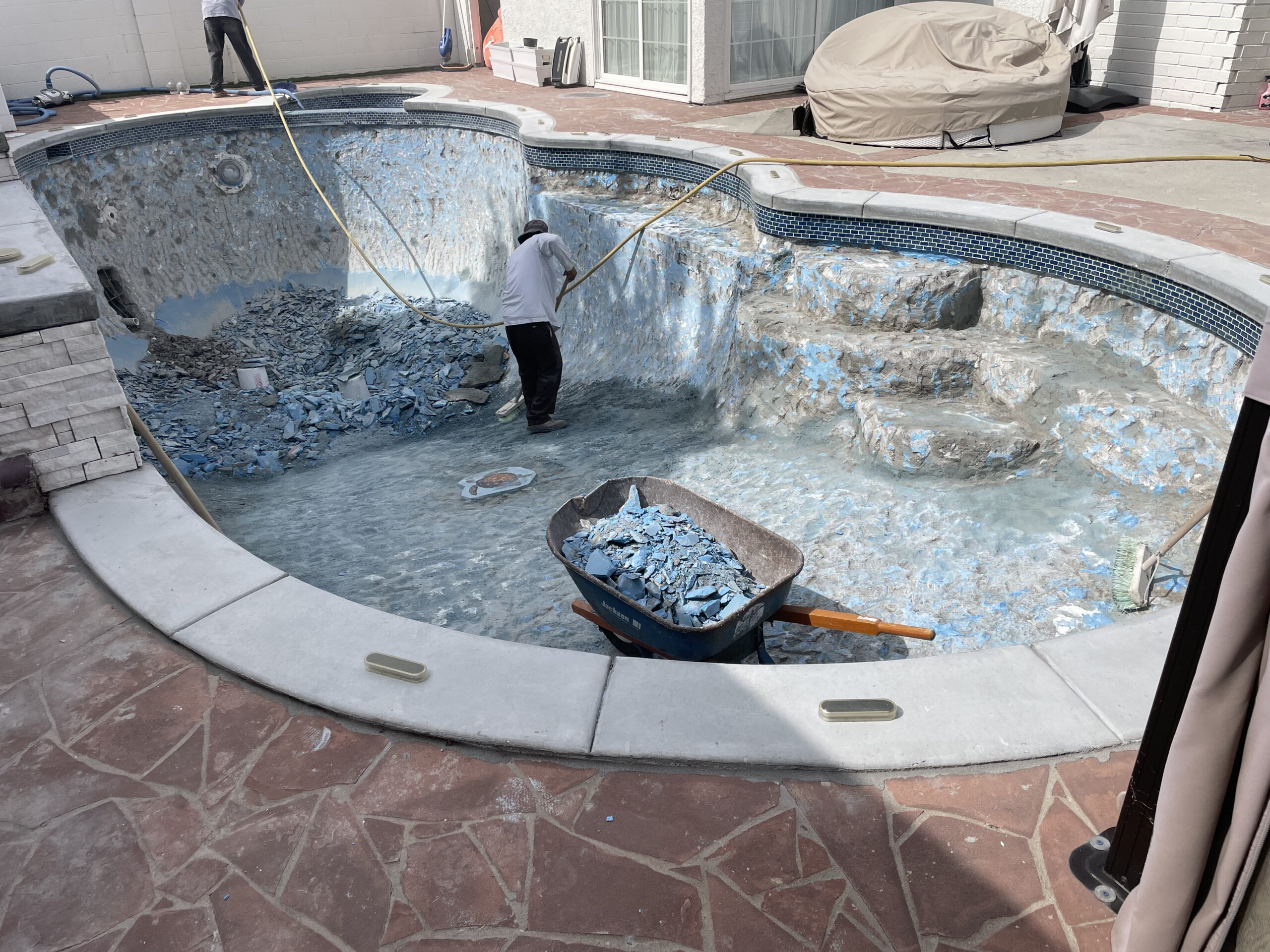
A pool can remain structurally sound while no longer fitting the way a household wants to use its backyard. A worn interior, dated tile, uncomfortable deck, or equipment that is difficult to operate can make the whole space feel overdue for attention. Residential pool remodeling gives homeowners a way to address those concerns through a planned set of updates, with choices guided by the pool’s current condition, the property, and the project budget.
Beachfront Pool Service can discuss remodeling options for an existing home pool and help you define a workable scope before construction begins. Depending on the pool and the requested work, a project may focus on the interior finish, waterline tile, coping, deck surfaces, lighting, circulation equipment, or a combination of updates. The right plan is not necessarily the one with the most features. It is the one that addresses your priorities, fits the existing structure, and sets clear expectations for cost, access, timing, and maintenance.
Start with a conversation about what is not working and what you would like to change. Call (949) 287-3343 or request a project consultation online. A site review and defined scope can help you decide whether to take on one improvement at a time or coordinate several compatible upgrades.
Residential Pool Remodeling Begins With the Existing Pool
Before choosing colors or new features, it helps to understand the condition of the pool and its surrounding surfaces. A remodel often involves more than what is visible from the patio. Existing finish, tile, joints, plumbing connections, equipment, and deck edges may affect which improvements make sense and how they should be sequenced. The pool’s age alone does not determine the scope; the physical condition and your intended use matter more.
During early planning, note the issues you can see and describe when they occur. For example, record whether a finish feels rough, whether a tile appears loose, whether the pump sounds different than it used to, or whether water collects in a particular part of the deck. These details help focus an inspection and make the estimate discussion more specific. If you have invoices, equipment manuals, previous repair notes, or photographs of past work, gather them before the consultation.
A useful estimate should distinguish the work you are considering from any conditions that cannot be confirmed until preparation begins. Ask which surfaces or components are included, what assumptions affect the quoted scope, how additional repairs would be handled, and which decisions need to be finalized before work starts. Clear answers reduce misunderstandings and make it easier to compare proposals on the same basis.
Signs It May Be Time to Discuss a Remodel
- The pool finish has visible wear, persistent staining, rough areas, or cracks that should be assessed.
- Waterline tile is loose, damaged, difficult to clean, or visually out of step with the rest of the backyard.
- Coping or deck surfaces have deteriorated, feel uncomfortable, or need closer evaluation for safety.
- Lighting, controls, or circulation equipment no longer meet your practical needs.
- You are planning other backyard work and want to coordinate pool improvements with it.
These signs do not automatically mean a full remodel is necessary. Some concerns may call for a focused repair, while others may be easier to address as part of a broader project. The assessment should explain the options and their tradeoffs so you can make an informed decision.

Residential Pool Remodeling Can Address More Than Appearance
Choose improvements that fit the pool’s condition and your priorities
Residential Pool Remodeling Options to Consider
Every pool and household is different, so remodeling options should be discussed in relation to the existing structure rather than selected from a generic checklist. Some homeowners want a cleaner, more current appearance. Others are focused on upkeep, usability, or replacing components that have reached the end of their useful life. A consultation can help separate essential work from optional enhancements.
Interior Finish and Waterline Tile
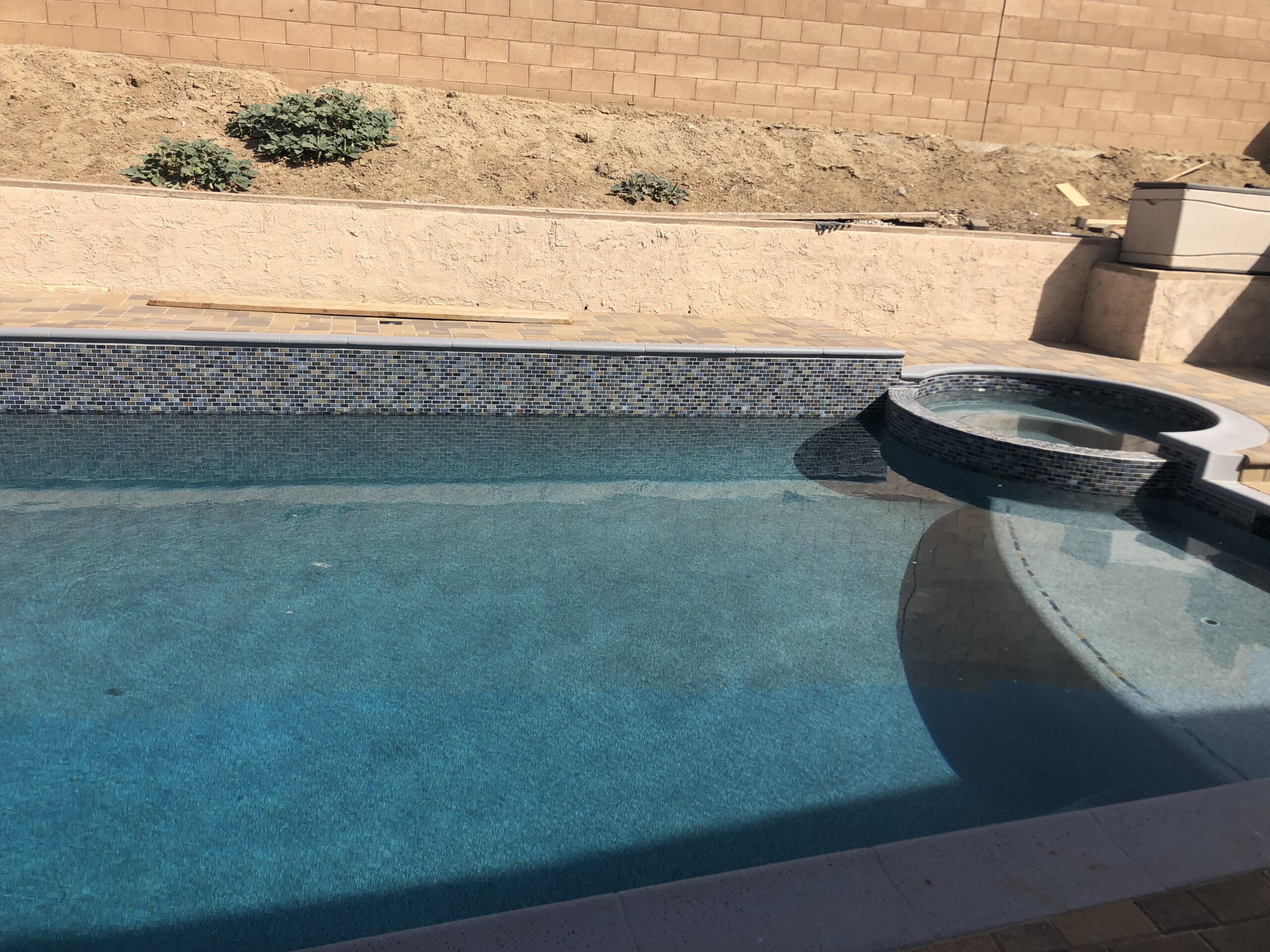
The interior finish affects the pool’s appearance, feel, and ongoing care. Available products and finish characteristics vary, so compare samples and ask how color, texture, water chemistry, and maintenance may influence the result. Waterline tile can also change the visual character of a pool while creating a defined transition at the water’s edge. If replacing tile, confirm how the work will connect with the coping and finish so the details are considered together.
Do not select a finish based only on a photograph. Lighting, water depth, the pool’s shape, and nearby hardscape can make a sample look different once installed. Ask to review physical samples in natural light where possible, and get the selected product and color documented in the project scope.
Coping and Deck Surfaces
Coping forms the edge between the pool and the surrounding deck. Its profile, material, and condition affect the finished appearance and how the pool perimeter meets adjacent surfaces. A remodel may involve replacing coping, repairing selected sections, or coordinating the edge with a new deck treatment. Whether a repair or replacement is suitable depends on what an inspection reveals.
For a deck update, consider how the surface feels underfoot, how it performs around water, what maintenance it requires, and whether it works with the pool’s existing drainage. Color and pattern are important, but so are transitions, joints, and the connection to doors, steps, planters, and other backyard features. Ask how the proposed deck material will be prepared and what care it needs after installation.
Lighting, Circulation, and Controls
Some remodels include lighting or equipment updates. These decisions are best made after reviewing the current setup, the pool’s intended use, and any compatibility requirements. Replacing one component may affect how other parts of the system operate, so ask what will remain, what will be changed, and whether any electrical or plumbing work is part of the estimate.
Modern controls can make everyday operation more convenient, but the best fit depends on the equipment and the features you want to manage. Before committing, identify which functions matter to you, such as setting pump schedules, controlling lights, or adjusting a compatible heater. A clear explanation of operation and routine care should be part of planning for any new system.
Optional Features and Structural Changes
Features such as a spa, tanning shelf, water effect, or change to the pool’s shape can involve additional design, engineering, structural, plumbing, electrical, and permitting considerations. These are not simple finish selections. If you are considering a major alteration, ask early whether the existing pool and site can support it, what approvals may be required, and how the change affects the schedule and overall budget.
Permit requirements depend on the work and the applicable jurisdiction. Do not assume that every remodel requires the same approvals or that a permit is unnecessary because a project is described as cosmetic. Confirm requirements for the specific scope before construction begins, and ensure responsibilities for applications, inspections, and related documentation are stated clearly.
Plan Residential Pool Remodeling Around Daily Use
Balance finish, function, access, and long-term care
How the Residential Pool Remodeling Process Works
A defined process gives homeowners a clearer picture of what will happen before work starts. The exact sequence depends on the scope, selected materials, site conditions, and any required approvals, but the following stages provide a practical framework for planning.
1. Consultation and Project Priorities
Begin by describing the problems you want to solve and the changes you are considering. Share your preferred timing, budget range, and any constraints such as limited backyard access or planned landscape work. If several people will approve the design or contract, involve them early so that priorities and decisions are not delayed later.
2. Site Review and Scope Definition
A site review helps identify visible conditions and understand how the pool connects to the deck, equipment area, and surrounding property. The written scope should state which areas are included, which materials are proposed, what preparation is expected, and what is excluded. If an unknown condition could change the work, ask how it will be documented and approved before added work proceeds.
3. Material and Feature Selections
Choose finish, tile, coping, deck treatment, and equipment based on the agreed scope. Confirm product names, colors, profiles, and any special details in writing. If a product has care instructions or limitations, review them before deciding. Selections made early can help reduce delays when ordering materials and scheduling the work.
4. Schedule, Site Preparation, and Construction
Before the start date, discuss access, work hours, site protection, storage, noise, debris handling, and the expected period when the pool cannot be used. Keep pets and children away from active work areas. The contractor should explain how progress updates will be shared and who to contact if a question comes up during construction.
Renovation projects can reveal conditions that were not visible during the initial review. If that happens, request a clear explanation of the issue, the proposed correction, any cost or schedule effect, and written approval before the scope changes. This keeps decisions transparent and gives you a record of what was agreed.
5. Completion Review and Owner Guidance
At the end of the project, walk through the completed work and compare it with the agreed scope. Ask about care requirements, operating instructions for changed equipment, and any recommended follow-up. Keep the final documents, product information, approvals, and maintenance guidance together for future reference.
Budgeting for Residential Pool Remodeling
There is no single price that fits every residential pool remodel. Cost depends on the pool’s size and condition, the materials selected, the amount of demolition and preparation, access to the site, equipment changes, and whether the project includes structural modifications or related deck work. A small, clearly defined update will not have the same scope as a coordinated renovation involving several systems and surfaces.
For a more useful estimate, ask for itemized information where practical. The proposal should make clear what work is included, which materials are specified, how quantities or allowances are handled, whether disposal and site protection are included, and what could create additional charges. Ask whether the quoted amount depends on assumptions that need to be confirmed during demolition or preparation.
It can be helpful to separate the project into priorities. Identify the work needed to address condition or function first, then consider appearance and optional features. If you decide to phase the project, ask whether the proposed sequence could create duplicated labor or interfere with a future upgrade. A well-planned phase should leave the pool in a workable condition and avoid unnecessary rework.
Compare proposals by scope and materials, not only by the bottom-line number. A lower estimate may omit preparation, cleanup, specific products, or work needed to complete the project. A higher estimate may include items that are not important to you. Ask questions until the differences are clear, and make sure any changes are documented in writing.
For a project-specific discussion, call (949) 287-3343. You can also review the company’s pricing information and contact the team with questions about what is included in an estimate.

Residential Pool Remodeling With a Clearly Defined Scope
Discuss materials, work areas, schedule, and estimate details up front
Choosing Materials for Residential Pool Remodeling
Materials shape both the finished look and the care routine. When reviewing options, consider the conditions in which the pool is used, the amount of maintenance you are comfortable with, and how each selection works with the home and yard. A coordinated palette does not require every surface to match. It requires that the colors, textures, and edges feel intentional together.
Questions to Ask About Finish and Tile
- What product and color are included in the proposal?
- How does the finish feel, and what routine care does the manufacturer recommend?
- How will the tile choice relate to the coping and surrounding deck?
- Are samples available to review in daylight and near the pool?
- What product documentation or warranty information will be provided?
Questions to Ask About Deck and Coping
- How will existing cracks, joints, or damaged sections be assessed?
- What preparation is needed for the selected surface?
- How will drainage and transitions at the pool edge be addressed?
- What cleaning or resealing schedule, if any, should I expect?
- Will the finished surface remain within the agreed height and layout?
Ask for material choices and the installation approach to be recorded in the project documents. That gives everyone a shared reference if a product becomes unavailable or a selection needs to change. A substitute should be reviewed for appearance, performance, and cost before it is accepted.
Keeping the Pool Usable and the Household Prepared
Residential pool remodeling affects the backyard while work is underway. The pool may need to be drained or taken out of service for part of the project, and there may be noise, equipment, material deliveries, or restricted access. The precise disruption depends on the work. Before scheduling, ask for an outline of the expected sequence and the areas that will be unavailable.
Prepare the site by clearing furniture and personal items from work zones, securing pets, and discussing access to water and power if needed. If the project is near a gate, driveway, or shared access route, identify any constraints in advance. Homeowners who have landscaping, irrigation, outdoor kitchens, or patio work nearby should coordinate schedules so one project does not damage or block another.
Do not refill or operate the pool until the responsible professional confirms that the work is complete and provides any startup instructions that apply. Newly installed finishes and equipment may have specific procedures. Follow the written guidance for water care, brushing, circulation, and controls, and ask questions if instructions differ from the pool’s previous routine.
Residential Pool Remodeling FAQs
What does residential pool remodeling include?
It can include selected updates to an existing home pool, such as finish, tile, coping, deck surfaces, lighting, or equipment. The exact scope depends on the pool’s condition, the homeowner’s priorities, and what is feasible at the property. A written estimate should identify the specific work and materials proposed.
Can I remodel only one part of my pool?
Often, a project can focus on one priority, such as a surface update or equipment replacement. Whether that is the best approach depends on the condition of connected components and how the work would interact with future improvements. Ask for the benefits and limitations of a focused project compared with coordinating related work at once.
How long does a residential pool remodel take?
Timing varies with the scope, material availability, site access, weather, inspections, and any conditions uncovered during preparation. Request a project schedule that identifies major stages and notes which factors could change it. Avoid relying on a general timeline until the work and selections are defined.
Will the pool be available during remodeling?
Usually, the pool cannot be used while work affecting its surface, water, or equipment is underway. The length of downtime depends on the project and the materials involved. Confirm the expected shutdown and get instructions for when it is safe to refill and resume use.
Do I need a permit for residential pool remodeling?
Permit requirements depend on the type and extent of work and the local authority with jurisdiction. Cosmetic maintenance and structural changes may be treated differently. Confirm requirements for the actual scope before work begins, and clarify who is responsible for applications, inspections, and related fees.
Can a remodel improve pool efficiency?
It may be an opportunity to assess equipment and controls, including whether current components suit the pool and household’s use. Efficiency depends on the equipment selected, installation, operation, and maintenance. Ask for a comparison of options rather than assuming a particular upgrade will produce a specific savings amount.
Can I change the pool’s shape or add a spa?
Possibly, but structural changes and added features require a closer review of the existing pool and property. They can introduce design, engineering, plumbing, electrical, permit, and schedule considerations. Discuss feasibility early and request a separate scope for major changes so you can evaluate their cost and impact.
How should I compare remodeling estimates?
Compare the included work, named products, preparation, cleanup, schedule assumptions, exclusions, and change-order process. Ask each contractor to clarify any allowances or conditions that could affect the final cost. Comparing equivalent scopes is more useful than choosing based only on the initial total.
What information should I prepare before requesting a quote?
Share the pool’s approximate age if known, the problems you have noticed, the improvements you want, and your preferred timing. Photos can help explain visible concerns, though they do not replace a site assessment. If you have prior repair records, equipment details, or product preferences, bring those to the discussion.
What care is needed after remodeling?
Care depends on the finish, deck materials, and equipment installed. Follow the manufacturer and contractor instructions for cleaning, water balance, startup, and scheduled maintenance. Keep product information and operating guidance accessible, and ask for clarification before using a new system in a way you have not been shown.
How do I start a residential pool remodeling project?
Make a list of the issues you want to solve and the changes you are considering, then request a consultation to discuss the site and scope. Call (949) 287-3343 or use the Beachfront Pool Service contact form to start the conversation.
Discuss Residential Pool Remodeling With Beachfront Pool Service
A successful project starts with a clear understanding of the pool, the desired improvements, and the decisions that affect cost and schedule. Beachfront Pool Service can discuss your priorities, review potential scope, and help you take the next step toward a more functional backyard pool. To learn about the company’s pool offerings, visit the services page.
For background on the general renovation process, see Wikipedia’s overview of renovation. For a project-specific conversation, call (949) 287-3343 or request a consultation online.